I remember sitting in my kitchen a few years ago, staring at a pile of groceries and a very hungry, very vocal toddler, wondering where my life optimization skills had failed me. It’s easy to build a perfect spreadsheet for your work projects, but when the 5 PM chaos hits, even the most organized systems can crumble. The reality is that finding kid friendly meals that actually get eaten—without requiring a culinary degree or an hour of cleanup—is one of the most persistent friction points in a busy household. You shouldn’t have to choose between a nutritional win and your own sanity.
I’ve spent a lot of time deconstructing my evening routine to find the sweet spot between efficiency and actual flavor. In this guide, I’m breaking down eight specific meal strategies that I’ve vetted through trial, error, and plenty of picky-eater testing. You’re going to walk away with a toolkit of low-effort, high-reward dinners that minimize kitchen stress and maximize peace at the table. We aren’t aiming for gourmet perfection here; we’re just aiming to eliminate the dinnertime battle so you can finally relax once the dishes are done.
Table of Contents
The Sheet Pan Sausage Strategy

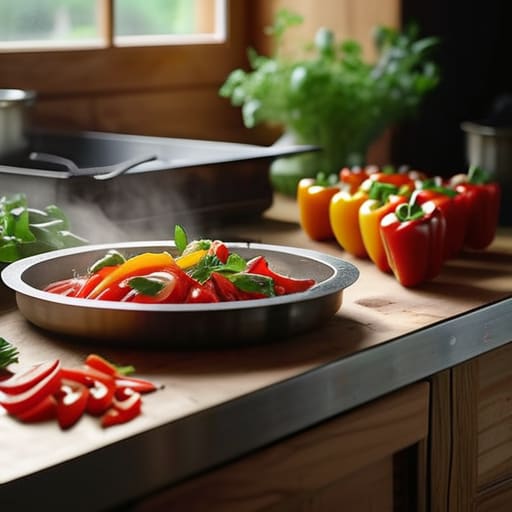
When I’m staring down a Tuesday evening and the last thing I want to do is stand over a stove, I lean heavily on the sheet pan method. You just toss sliced sausages, some bell peppers, and halved baby potatoes onto a tray with a drizzle of olive oil and salt, then shove it in the oven. It’s a low-friction system that lets you reclaim twenty minutes of your life while the oven does the heavy lifting.
Deconstructed Taco Bar
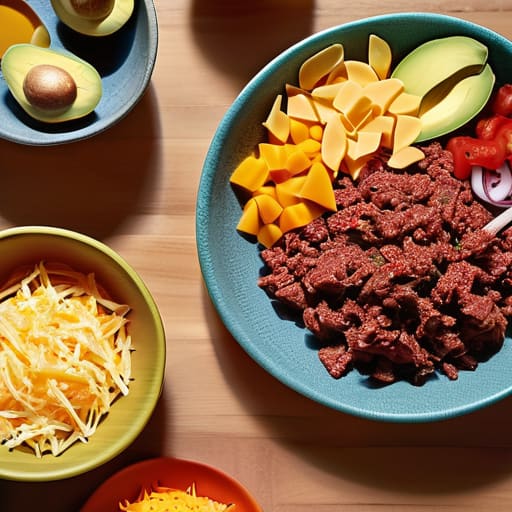
Tacos are a classic, but the real struggle is the “mixed food” aversion many kids have. Instead of building a messy taco that falls apart in three bites, I set everything out in separate bowls. Think ground beef, shredded cheese, mild salsa, and avocado in their own little containers. This turns dinner into a customizable experience where they feel in control of what goes on their plate.
Breakfast for Dinner
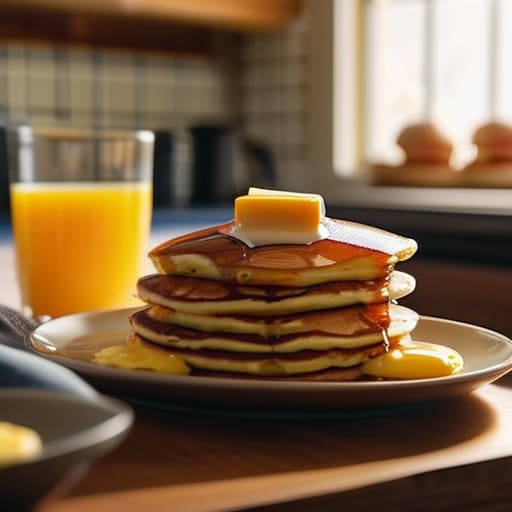
There is something incredibly soothing about breaking the rules and serving pancakes or scrambled eggs at 6:00 PM. I call this the “emergency reset” meal. When the day has been a total grind and your mental bandwidth is at zero, breakfast foods are a godsend because most of the ingredients are already in your pantry or fridge.
The Hidden Veggie Pasta Hack
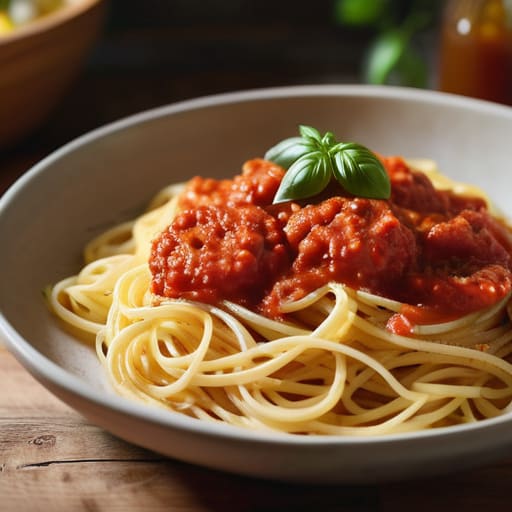
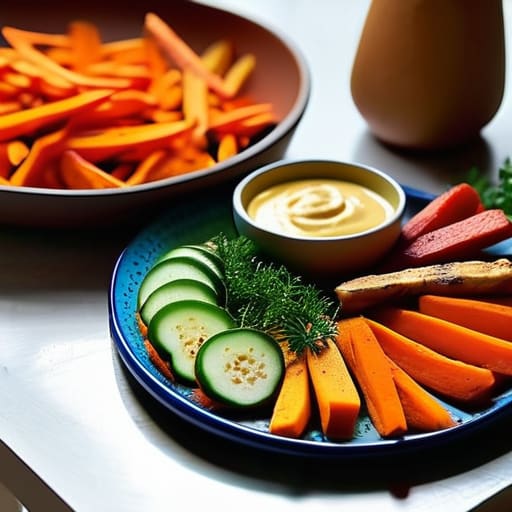
If you’re dealing with a kid who treats a piece of broccoli like it’s a personal insult, you need to stop fighting the battle and start optimizing the sauce. I’ve found that blending steamed carrots or cauliflower into a standard marinara sauce is a total game-changer. It changes the texture very little, but it adds a massive boost of nutritional value without the visual struggle.
Homemade Muffin Tin Meals
This sounds a bit “Pinterest-y,” but there is actual logic behind using a muffin tin for dinner. For kids, large plates of food can feel overwhelming. By portioning out small bites—like cubes of ham, cheese slices, crackers, and grapes—into the compartments of a muffin tin, you create a sensory-friendly layout. It makes the meal feel like a snack, which lowers the stakes significantly.
Slow Cooker Chicken and Rice
My slow cooker is basically my most reliable sous-chef. If I prep a batch of chicken thighs, some broth, and a bit of seasoning in the morning, I know exactly what’s happening at 5:30 PM. By the time the workday is winding down, the meat is tender enough to shred easily, and you just have to stir in some rice and maybe some frozen peas.
English Muffin Pizzas
Traditional pizza dough is a mess and takes way too much time to manage. I’ve swapped that out for English muffins, which provide the perfect individual-sized base. You let the kids spread the sauce and sprinkle the cheese themselves, which turns a chore into a quick activity. It’s fast, it’s cheap, and it’s incredibly consistent.
Quesadilla Quick-Fix
When the clock is ticking and you have about ten minutes before the evening meltdown begins, the quesadilla is your best friend. It’s essentially a grilled cheese but with more versatility. You can throw in some canned black beans or leftover shredded chicken to make it a bit more substantial, but the core process remains incredibly simple.
The Philosophy of the Plate
“Feeding kids shouldn’t feel like a high-stakes negotiation or a second full-time job. It’s not about gourmet presentation; it’s about building a repeatable system of reliable, low-friction meals that keep everyone fed and keep the evening from turning into a battlefield.”
Nathaniel 'Nate' Brooks
Finding Your Rhythm
At the end of the day, the goal here wasn’t to turn you into a Michelin-star chef or a drill sergeant in the kitchen. It was about finding a few reliable, low-friction wins—whether that’s leaning on the simplicity of a sheet-pan meal or keeping a stash of “emergency” frozen favorites for those nights when the day just falls apart. We covered everything from quick pasta tweaks to hands-off slow cooker options, all designed to remove the decision fatigue that usually hits right around 5:00 PM. If you can implement even two of these strategies into your weekly rotation, you’re already ahead of the curve.
I know how it feels when the kitchen feels like another system that’s constantly breaking down, but remember that you don’t need to solve every mealtime struggle at once. Perfection is a myth, and frankly, a slightly messy kitchen is a small price to pay for a calmer evening. Focus on building sustainable habits rather than chasing an impossible standard of healthy eating. Once you stop fighting the chaos and start working with a few solid systems in place, you’ll find you actually have the headspace to sit down and enjoy the meal alongside your kids. That’s the real win.
Frequently Asked Questions
How do I handle picky eaters who refuse to try anything green without making dinner a battlefield?
Look, I get it. I used to think efficiency meant perfect nutrition, but when you’re staring down a toddler refusing a broccoli floret like it’s toxic waste, “efficiency” goes out the window. Stop the power struggles. Instead of making “green” a battleground, try the stealth approach. Blend spinach into a fruit smoothie or finely chop kale into a pasta sauce. If they can’t see the friction, they won’t fight the system.
What are some ways to sneak extra nutrition into these meals without them noticing the texture change?
Look, I’m all about efficiency, and if we can optimize nutrition without a dinner-table revolt, we win. My go-to move is the “fine-grind” method. Use a blender to turn spinach or steamed cauliflower into a smooth puree; it disappears into red pasta sauce or mac and cheese effortlessly. For protein, finely minced lentils or hemp seeds work wonders in taco meat. The goal is to integrate, not interrupt. Keep the texture seamless, and they’ll never know.
Are there ways to prep these meals on a Sunday so I'm not stuck in the kitchen every single night?
Look, the goal isn’t to spend your entire Sunday in the kitchen—that’s just trading one kind of burnout for another. Instead, think in components. I like to batch-prep the “friction points”: chop all your veggies, brown your ground meats, and cook a big pot of grains. If the heavy lifting is done by Sunday night, weekday dinner becomes a simple assembly job rather than a full-scale production. Minimize the prep, maximize the downtime.
How can I balance these kid-friendly options with actual healthy ingredients so I'm not just feeding them processed carbs?
Look, I get it. The fear of turning your kitchen into a processed carb factory is real. I don’t aim for organic perfection, but I do aim for better systems. The trick is the “crowding out” method: don’t remove the fun stuff, just layer in the fuel. If you’re doing pasta, use a chickpea blend. If it’s tacos, load the shells with extra beans and peppers. Focus on adding nutrition rather than just subtracting joy.