I used to think that learning how to cook fish required a culinary degree and a kitchen full of specialized gadgets I didn’t need. I’d see these high-end cooking shows treating a simple piece of salmon like a high-stakes engineering project, complete with expensive sous vide machines and “chef-only” techniques that felt more like gatekeeping than actual cooking. Honestly, it’s a massive waste of time and money. Most of the advice out there is designed to make you feel like you need more stuff just to get a decent meal on the table, when in reality, you’re usually just one or two simple adjustments away from a perfect result.
I’m not here to teach you how to be a Michelin-star chef; I’m here to help you build a reliable system for your kitchen. I’ve spent enough time failing at dinner to know exactly where the friction points are, from the dreaded “fishy” smell to that rubbery texture that ruins everything. I’m going to show you the most efficient, low-stress way to handle protein without the unnecessary fluff. We’re going to focus on practical execution so you can stop guessing and start enjoying your dinner.
Table of Contents
Picking the Best Fish for Beginners Without the Stress
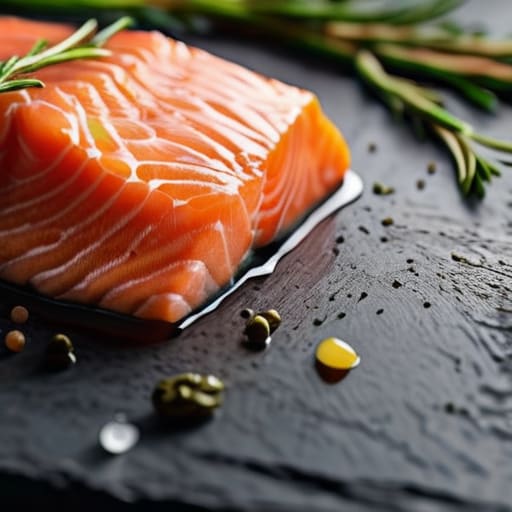
Walking into a seafood counter can feel like a high-stakes interrogation if you don’t know what you’re looking for. Most people freeze up because they think they need to be an expert to avoid buying something subpar. Here’s my rule of thumb: start with something forgiving. If you’re looking for the best fish for beginners, stick to “meaty” varieties like salmon, halibut, or even a thick cod fillet. These species are much more resilient to heat, meaning you have a slightly wider margin for error before things go sideways.
Don’t let the “fresh vs frozen fish tips” debate paralyze you, either. Honestly, unless you have a local fisherman on speed dial, high-quality frozen fillets are often a smarter, more consistent choice. They are flash-frozen at the peak of freshness, which eliminates the guesswork of trying to sniff out whether a “fresh” piece of snapper has been sitting on ice for three days. Just make sure you thaw them completely in the fridge before you even think about touching a pan. Once you’ve got your protein, the rest is just a matter of simple execution.
Fresh vs Frozen Fish Tips for a Better Meal
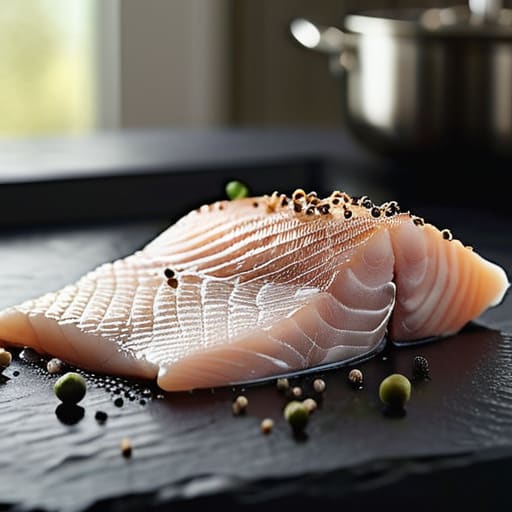
Here’s the thing: there’s a common misconception that you need to head to a high-end fishmonger every time you want a decent meal. Honestly? That’s a recipe for unnecessary friction. While fresh fish has its perks, I’ve learned through plenty of trial and error that high-quality frozen fillets are often the smarter, more consistent choice for a weeknight dinner. Frozen fish is usually flash-frozen at the peak of freshness, which locks in flavor and texture better than something that’s been sitting on a grocery store ice display for three days.
If you do go the frozen route, the secret to success is all in the thaw. Never just toss a frozen block into a hot pan; you’ll end up with a watery mess and a ruined texture. Instead, move your fillets to the fridge the night before. Once they’re thawed, make sure you pat them bone-dry with paper towels. This is the single most important step for preventing fish from sticking to the pan and ensuring you actually get that golden-brown crust we’re all after. If you manage the moisture, the frozen option works just as well as the fresh stuff.
5 Low-Friction Rules for Not Ruining Your Fish
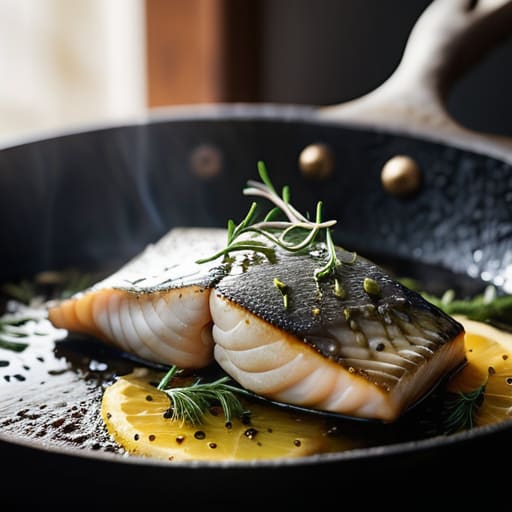
- Get a digital meat thermometer. I know, it feels like overkill for something that’s supposed to be “light and easy,” but stop guessing by poking it with a fork. If you hit 145°F (63°C), you’re golden. Anything more and you’re basically eating expensive sawdust.
- Pat the skin bone-dry with paper towels before it hits the pan. Moisture is the enemy of a good sear. If the fish is damp, it’s going to steam instead of crisping up, and nobody wants a soggy, grey fillet.
- Don’t touch it. Once you lay that fillet into the hot oil, leave it alone. I’ve seen so many people try to flip the fish every thirty seconds because they’re nervous. Let the heat do the work; it’ll naturally release from the pan when the crust is formed.
- Salt it right before it hits the heat. If you salt your fish too early and let it sit, the salt draws out moisture, which ruins that dry-skin goal we talked about. Keep it simple: salt, pepper, heat, go.
- Keep your pantry stocked with “safety” ingredients. Always have lemon, high-quality olive oil, and maybe some dried parsley on hand. Even if your technique isn’t perfect, a hit of acid from a fresh lemon wedge can fix a lot of seasoning mistakes.
The Golden Rule of the Pan
Stop treating fish like a high-stakes science experiment; it’s just protein. Get your pan hot, use a thermometer to stop the guesswork, and remember that a little bit of skin crispiness is worth more than any complex sauce you’ll ever make.
Nathaniel 'Nate' Brooks
Stop Overthinking and Start Eating
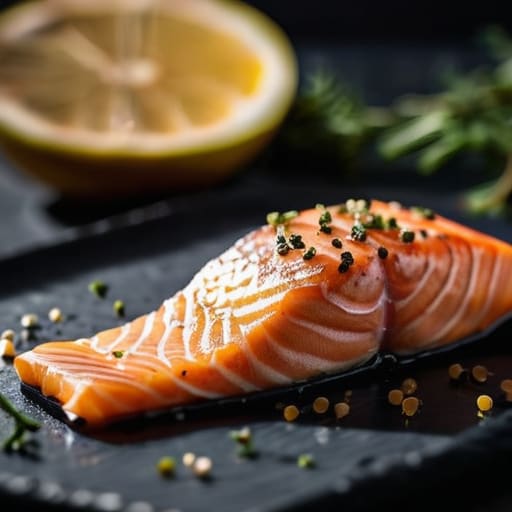
At the end of the day, cooking fish doesn’t need to be this high-stakes operation. We’ve covered the essentials: knowing how to pick a solid piece of fillet, understanding that frozen isn’t a “lesser” option if you handle it right, and—most importantly—using a thermometer so you aren’t playing a guessing game with your dinner. If you can manage those three variables, you’ve already eliminated 90% of the potential for a kitchen disaster. It’s all about reducing the friction between being hungry and having a high-quality meal on your plate without the unnecessary stress of a culinary exam.
My advice? Don’t wait until you feel like an expert to try this out. Perfection is a moving target, and honestly, even a slightly overcooked piece of salmon is better than the takeout you’d order if you let fear win. The goal here isn’t to become a Michelin-starred chef; it’s to build a reliable system for feeding yourself well. Start small, keep your tools simple, and remember that every successful meal is just another data point in your journey toward a more streamlined, delicious life. Just get in the kitchen and give it a shot.
Frequently Asked Questions
How do I actually know when the fish is done without cutting into it and losing all the juices?
Look, I get it. Cutting into the fillet mid-cook is a rookie mistake that kills the moisture and ruins the texture. If you want to avoid the guesswork, buy an instant-read digital thermometer. It’s the only way to be precise without the drama. Aim for an internal temperature of 145°F (63°C). If you’re flying blind, use the flake test: gently press the top with a fork; if it separates easily along the natural lines, it’s ready.
What are the best pan or oven settings for different types of fish so I don't end up with a mess?
Stop guessing and start using heat to your advantage. For thin fillets like tilapia or salmon, stick to a pan over medium-high heat with a bit of oil; it’s fast and keeps things contained. If you’re dealing with thicker cuts or whole fish, just slide them into a 400°F oven on a parchment-lined sheet pan. It’s the ultimate low-friction method—minimal cleanup and much less chance of you overcooking the center.
I’m worried about the smell—is there a way to cook fish without my entire kitchen smelling like a pier?
Look, I get it. I’ve spent enough nights cleaning fish residue out of my curtains to know that “ocean breeze” is rarely the vibe we’re going for. The trick is to minimize the surface area exposed to the air. Pan-sear with a lid on, or better yet, go the parchment paper route—the “en papillote” method. It traps the steam and the scent inside the pouch, so your kitchen stays smelling like a home, not a pier.
What kind of simple seasonings or sauces actually work if I’m not a professional chef?
Look, you don’t need a pantry full of exotic spices to make this work. I’m a big believer in the “less is more” approach. Start with the basics: high-quality olive oil, coarse sea salt, and cracked black pepper. If you want to level up without the friction, a squeeze of fresh lemon or a dollop of salted butter does 90% of the heavy lifting. It’s simple, it’s reliable, and it never fails.