We’ve all been there: it’s 7:00 PM on a Tuesday, you’re exhausted from a long day of troubleshooting systems, and you realize you have absolutely nothing to eat. You stare into the cupboard, hoping for a miracle, only to realize you’re staring at a graveyard of half-empty boxes and expired condiments. This is where most people give in to the expensive, unhealthy cycle of takeout or unnecessary grocery runs. I spent way too many years in my twenties doing exactly that, wasting both money and mental energy on decision fatigue. The truth is, once you establish a foundation of reliable pantry staples to always have, you effectively eliminate that friction and reclaim your evenings.
In this guide, I’m stripping away the clutter and focusing on the essentials. I’m not talking about a massive, overwhelming stockpile that takes up half your kitchen; I’m talking about a curated system of eight high-impact items. By the end of this list, you’ll know exactly what to keep on hand to ensure you can whip up a decent, nourishing meal even when life gets chaotic. Let’s stop wrestling with empty cupboards and start optimizing your kitchen for real life.
Table of Contents
- The Foundation: Extra Virgin Olive Oil
- High-Quality Sea Salt
- The Versatile Grain: Basmati Rice
- Acidic Lifesavers: Apple Cider Vinegar
- The Umami Bomb: Soy Sauce
- Dry Pasta: The Emergency Protocol
- Aromatics: Garlic and Onions
- Canned Beans: Instant Protein
- The Philosophy of the Prepared Pantry
- Building Your System
- Frequently Asked Questions
The Foundation: Extra Virgin Olive Oil
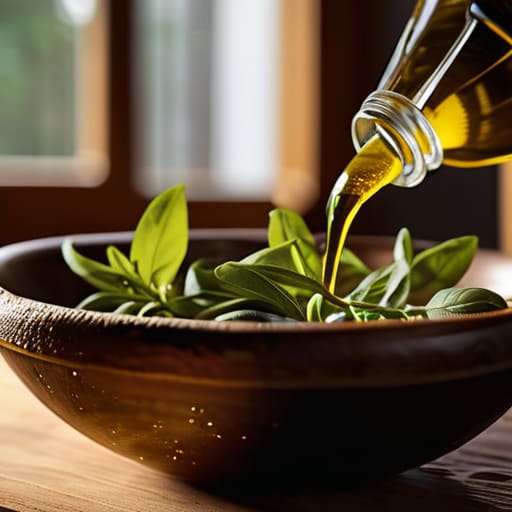
If there is one thing I learned from years of trial and error in the kitchen, it’s that your cooking is only as good as your fat source. I don’t bother with those cheap, processed vegetable oils for anything other than high-heat frying. Instead, I keep a decent bottle of extra virgin olive oil on hand at all times. It’s the backbone of almost everything I make, from a simple salad dressing to finishing a bowl of pasta.
High-Quality Sea Salt
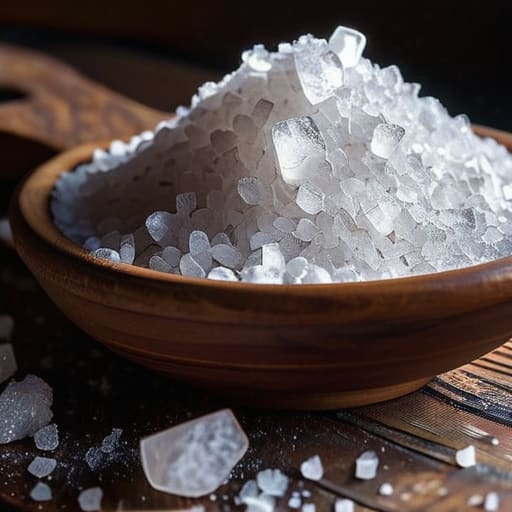
It sounds basic, but most people underestimate how much a decent salt can change a dish. I stopped using that fine, table-salt stuff years ago—it’s too one-dimensional. Now, I keep a container of flaky sea salt for finishing and a standard kosher salt for the actual cooking process. It’s about controlling the texture and the way the flavor hits your palate.
The Versatile Grain: Basmati Rice
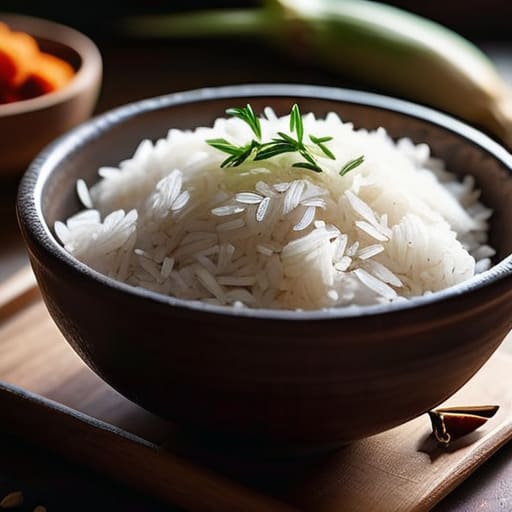
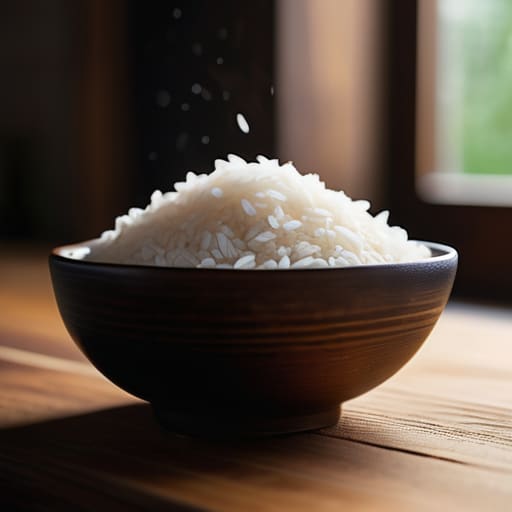
I’m a big believer in the “one base, many meals” philosophy. For me, that base is Basmati rice. It’s much more reliable than long-grain white rice and has a floral aroma that makes a simple meal feel a bit more intentional. Whether I’m pairing it with a quick curry or just serving it alongside some roasted vegetables, it’s the ultimate reliable carb.
Acidic Lifesavers: Apple Cider Vinegar
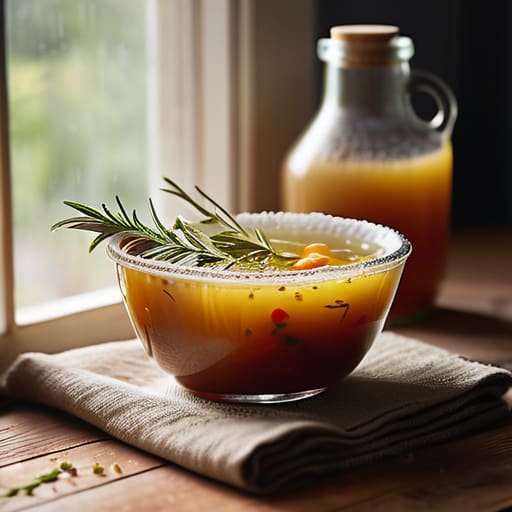
Most people think they need a dozen different condiments, but I’ve found that acidity is the real secret to balanced food. I keep apple cider vinegar stocked because it’s incredibly versatile. You can use it to brighten up a heavy soup, toss it into a quick vinaigrette, or even use it in a marinade to tenderize meat.
The Umami Bomb: Soy Sauce
Even if you aren’t cooking Asian cuisine every night, soy sauce is a mandatory pantry staple in my house. It is essentially a concentrated source of umami. I’ve found myself adding a teaspoon to beef stews, even roasted vegetables, just to add a layer of savory depth that you can’t get from salt alone.
Dry Pasta: The Emergency Protocol
There will be nights when the “optimized” meal plan falls apart and you end up staring at an empty fridge at 7:00 PM. This is where a box of high-quality dried pasta becomes your best friend. It’s the ultimate low-friction meal. You boil water, cook the noodles, and you’re halfway to a decent dinner.
Aromatics: Garlic and Onions
You can’t build a flavor profile from scratch without these two. I keep a mesh bag of onions and a jar of garlic cloves in a cool, dark spot at all times. They are the foundational building blocks for almost every savory dish I make. If you have these, you have the starting point for a thousand different recipes.
Canned Beans: Instant Protein
I’ve spent too many years relying on expensive, pre-packaged meal kits that are mostly salt and preservatives. Now, I rely on canned beans—chickpeas, black beans, cannellini—to provide an instant protein source. They are shelf-stable, incredibly cheap, and require almost zero prep work beyond a quick rinse.
The Philosophy of the Prepared Pantry
“A well-stocked pantry isn’t about hoarding extra cans; it’s about building a buffer against the chaos of a Tuesday night when you’re too tired to think, but too hungry to settle for takeout.”
Nathaniel 'Nate' Brooks
Building Your System
At the end of the day, this list isn’t about turning your kitchen into a high-end gourmet warehouse; it’s about reducing decision fatigue. By keeping these eight essentials—from your base grains to those reliable aromatics—on hand, you’re essentially building a buffer against the chaos of a busy week. You won’t have to stare blankly at an empty fridge at 6:00 PM or succumb to the temptation of an expensive, overpriced delivery app just because you lack the components for a simple meal. It’s about having a reliable foundation that works for you, rather than you working for your food.
I know that setting up a system like this can feel like just another chore on an already overflowing to-do list, but I promise the payoff is worth the initial effort. Once these staples are stocked, the friction of cooking starts to evaporate, leaving you with more time to actually enjoy the food you make. Don’t worry about getting everything perfect on day one; just pick a few items from the list and get them into your cupboard this week. We aren’t aiming for a Michelin-star pantry; we’re just aiming to eliminate the small stresses so you can focus on what actually matters.
Frequently Asked Questions
How do I know when these items are actually going bad, or is there a way to extend their shelf life?
Look, I’m a big believer in systems, and that includes managing your inventory. For dry goods like pasta or rice, if it smells off or shows signs of pests, toss it—no questions asked. For oils and spices, keep them away from the stove; heat is the enemy of shelf life. If you want to be proactive, use the “First In, First Out” method. Rotate your stock so you aren’t digging through old cans at the back.
Is it worth buying the name brands, or can I just go with the store brand for everything on this list?
Look, I’m all about efficiency, and that includes where you put your money. For most of these, the store brand is a total win—especially for things like salt, sugar, or canned beans. The chemistry is identical. However, don’t cheap out on the basics that carry the heavy lifting, like olive oil or spices. If the quality is subpar, you’ll end up wasting more money trying to fix a mediocre meal. Stick to store brands for the commodities, but buy quality where it counts.
How much should I actually spend on an initial "stock up" versus just buying as I need things?
Look, I’m a big believer in systems, but don’t go out and spend $500 on a “master pantry” in one weekend. That’s how you end up with clutter and wasted cash. Aim for a “soft stock” instead. Budget about 1.5x your usual weekly grocery spend for the first trip to grab those core staples. Once those foundations are set, shift back to a normal budget. Build the system incrementally; don’t let the setup become a burden.
Are there any specific storage hacks I should use to keep these from getting stale or attracting pests?
Look, a good system only works if the components don’t expire. First, ditch the original cardboard boxes; they’re basically invitations for pantry moths. Invest in a few matching airtight glass or BPA-free plastic containers. It keeps things fresh and looks way better on the shelf. For the smaller stuff like spices or seeds, use small mason jars. It’s a minor upfront cost, but it stops the waste and keeps your kitchen organized.