I’m tired of seeing “budget cooking” influencers post videos of fifteen-ingredient organic grain bowls that cost more than a decent bottle of bourbon. There is this pervasive myth that eating well on a dime requires a massive time investment or a specialized degree in culinary arts, but that’s just noise. In my experience, the biggest drain on your wallet isn’t the cost of the food itself; it’s the lack of a functional system. When you don’t have a plan, you end up panic-buying overpriced pre-made salads or ordering takeout because your fridge looks like a graveyard of wilted spinach. We need to stop chasing expensive health trends and start focusing on actual budget friendly meals that work for a real schedule.
I’m not here to give you a list of complicated recipes that require a trip to three different specialty grocery stores. Instead, I want to show you how to apply a little systems analysis to your kitchen. I’ll be sharing the exact, no-nonsense frameworks I use to minimize waste, optimize my grocery runs, and build meals that actually taste good without breaking the bank. We aren’t aiming for a Michelin star here; we’re just aiming to eliminate the friction of deciding what’s for dinner.
Table of Contents
Low Cost Grocery Shopping Tips for Busy People
The biggest drain on your wallet isn’t usually the “fancy” stuff; it’s the impulse buys and the forgotten produce rotting in the crisper drawer. To fix this, you need to stop treating grocery shopping like a scavenger hunt and start treating it like a logistics problem. My first rule is to master the art of economical meal planning before you even step foot in the store. If you don’t have a roadmap, you’re going to end up grabbing whatever looks easy in the moment, which is almost always the most expensive option. Check your inventory first—know what you already have so you aren’t buying a third jar of cumin by mistake.
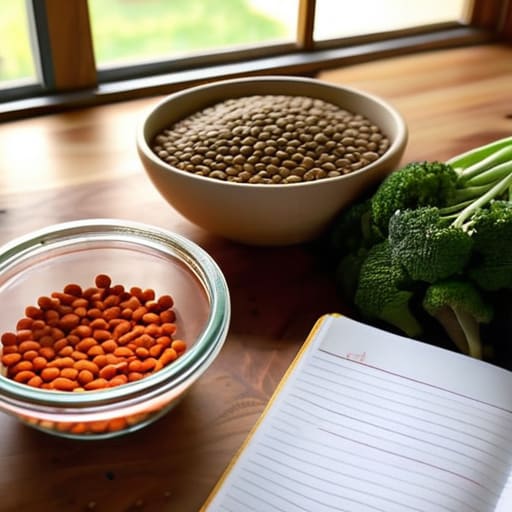
Once you’re in the aisles, lean heavily into bulk cooking for savings. I’m a big fan of buying versatile staples like rice, lentils, or large packs of chicken in bulk. It takes a bit more mental energy upfront to portion them out, but the cost-per-meal drops significantly. Also, don’t sleep on the frozen aisle. Frozen vegetables are just as nutritious as fresh ones, they don’t spoil in three days, and they’re usually much easier on the bank account. It’s about building a system that works with your schedule, not against it.
Economical Meal Planning to Reclaim Your Evenings
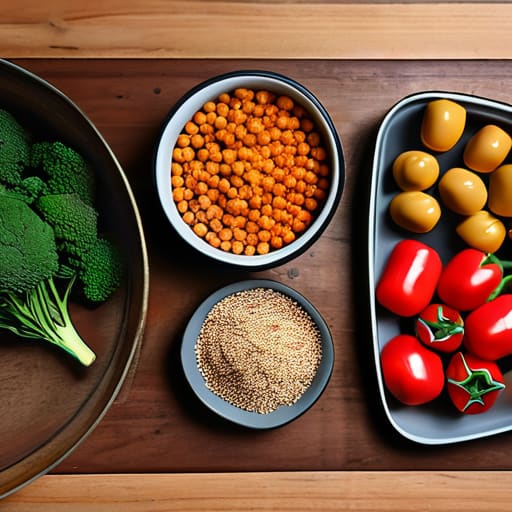
The biggest mistake I see people make isn’t actually the amount they spend at the register; it’s the decision fatigue that hits at 6:00 PM on a Tuesday. When you’re exhausted and haven’t decided what’s for dinner, the easiest path is usually a delivery app that drains your bank account. To break this cycle, you need a system for economical meal planning that removes the guesswork. I don’t advocate for rigid, complex calendars that feel like a second job. Instead, I focus on a “modular” approach: pick two proteins, three grains, and a handful of seasonal vegetables, then rotate them. It keeps things predictable enough to prevent impulse buys but varied enough to keep you from getting bored.
Another way to reclaim your time and your wallet is through strategic bulk cooking. I’m a big believer in the “cook once, eat twice” philosophy. If I’m making a batch of chili or a roasted vegetable medley, I always double the portion. These become the building blocks for your midweek meals, turning raw ingredients into quick, assembly-style dinners. By leaning heavily on pantry staple recipes—think lentils, canned tomatoes, and grains—you create a safety net that ensures you’re always eating well without having to perform a grocery run every single day.
Five Systems to Stop the Grocery Store Drain
- Master the art of the “pantry staple” base. I don’t care if it’s lentils, rice, or oats—pick three versatile, cheap foundations and build your meals around them. When you have a reliable base, you aren’t buying expensive pre-packaged kits; you’re just adding a little protein or a vegetable to something you already own.
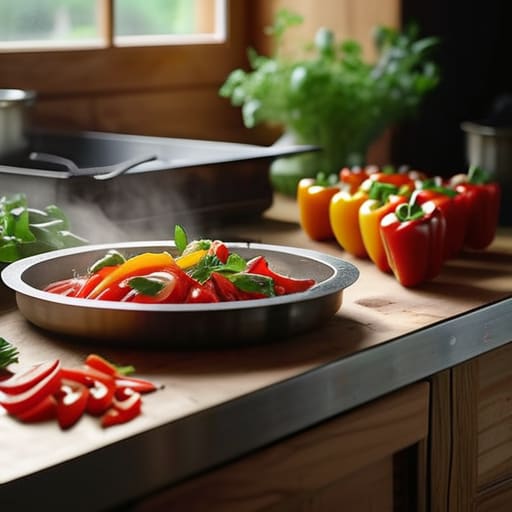
- Stop buying pre-cut produce. It’s a tax on your laziness, and it’s a steep one. I’ve learned the hard way that spending ten minutes chopping an onion or a bell pepper saves you three dollars every single time. Buy the whole vegetable; it lasts longer and costs significantly less.
- Embrace the frozen aisle without guilt. Frozen vegetables and fruits are often more nutrient-dense than the “fresh” stuff that’s been sitting in a truck for a week, and they don’t rot in your crisper drawer. It eliminates the waste, which is essentially throwing money directly into the trash.
- Audit your “convenience” spending. Before you hit the checkout, look at your cart. If you’re buying pre-marinated meats or individual snack packs, you’re paying for the packaging and the labor. Buy the bulk version and do the minimal work yourself. The math always favors the DIY approach.
- Shop with a strict, non-negotiable list. Wandering the aisles without a plan is how you end up with a cart full of impulse buys that you’ll never actually cook. Treat your grocery trip like a system: input is defined by the list, and any deviation is just unnecessary friction in your budget.
The Philosophy of the Plate
“Eating well on a budget isn’t about deprivation or eating the same bland meal every night; it’s about building a better system so you aren’t paying a ‘convenience tax’ every time you’re too tired to think.”
Nathaniel 'Nate' Brooks
The Bottom Line
At the end of the day, eating well on a budget isn’t about deprivation or living on instant noodles; it’s about optimizing your inputs. We’ve covered how a more intentional grocery run and a basic meal-planning system can stop the bleeding in your bank account and, more importantly, stop the decision fatigue that hits you at 6:00 PM. By focusing on versatile staples and shopping with a clear strategy, you aren’t just saving money—you’re reclaiming your time and reducing the mental load that usually comes with managing a household.
Don’t feel like you need to overhaul your entire kitchen overnight. If you try to implement every single system I’ve mentioned at once, you’ll likely burn out by next Tuesday. Instead, just pick one thing—maybe it’s a simple grocery list or a dedicated prep hour on Sundays—and get that system running smoothly first. Life is messy, and some weeks will still end with a chaotic takeout order, and that’s perfectly fine. The goal isn’t to achieve a flawless, Pinterest-perfect pantry; it’s about building sustainable habits that make your daily life just a little bit easier to navigate.
Frequently Asked Questions
How do I keep my grocery bill low without eating the same three boring meals every single week?
The secret isn’t buying more food; it’s buying more versatile food. Instead of planning specific recipes, I shop for “modular ingredients.” Think of a bag of lentils, a carton of eggs, and some seasonal greens as building blocks. One night they’re a hearty Mediterranean bowl; the next, they’re the base of a quick shakshuka. If you master the art of the pivot, you can keep the budget tight without feeling like you’re stuck on a culinary loop.
Is it actually cheaper to buy in bulk, or am I just wasting money on stuff that eventually goes bad in the pantry?
It depends entirely on your inventory management. If you’re buying a five-pound bag of lentils because the unit price is lower, but they sit in your pantry for six months gathering dust, you didn’t save money—you just misallocated it. Bulk buying only works if the item is a high-frequency staple with a long shelf life. For everything else, stick to smaller quantities. Don’t let a “good deal” become expensive waste.
What are some high-protein, budget-friendly staples that don't require a massive amount of prep time?
If you’re looking to hit your protein goals without spending your entire Sunday in the kitchen, stick to the basics. Canned tuna and chickpeas are my go-to’s for zero-prep protein. For something a bit more substantial, grab some rotisserie chicken; shred it once and you’ve got protein for salads or wraps all week. Eggs are also non-negotiable—they’re cheap, versatile, and take five minutes. Keep these on hand to avoid the expensive, high-effort takeout trap.
How can I meal prep effectively if I don't have a ton of specialized kitchen gear or hours of free time on Sundays?
Look, you don’t need a $500 air fryer or a dedicated “prep day” to make this work. I used to think I needed a kitchen full of gadgets, but it’s actually about batch-cooking components, not complex recipes. Roast a big tray of veggies, boil some grains, and cook a protein all at once. Use whatever pots you already own. It’s about building a modular system that fits into your actual life, not a Pinterest fantasy.