Look, I’m going to be blunt: most of the advice you find online about how to make a smoothie is a total waste of time and money. You don’t need a $600 high-speed blender, a subscription to a boutique superfood brand, or a fifteen-step recipe that requires ingredients you can’t find at a normal grocery store. I spent way too many mornings in my mid-twenties staring at a pile of expensive, half-used powders and a sink full of dishes, feeling like I was failing at being healthy just because I couldn’t follow a complex ritual. It’s not a lifestyle overhaul; it’s just breakfast.
I’m not here to sell you on a wellness cult. My goal is to give you a systematic approach to building a drink that actually tastes good and fits into a busy schedule without adding friction to your morning. I’ll show you how to balance flavors, manage textures, and prep your ingredients so you can stop overthinking and start drinking. We’re stripping away the fluff to focus on efficiency and results.
Table of Contents
Selecting the Best Blender for Smoothies Without Wasting Money
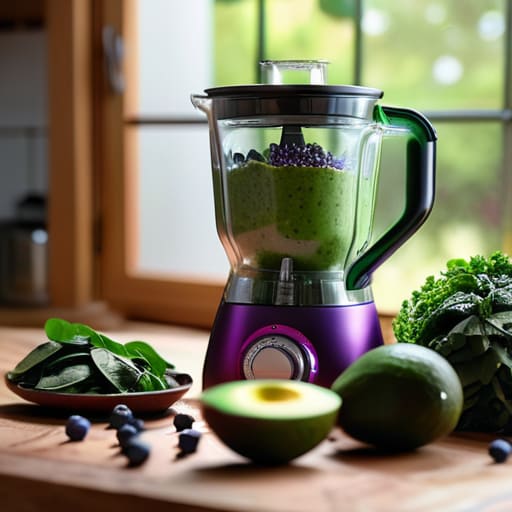
Look, you don’t need a $600 professional-grade blender sitting on your counter to get a decent drink. I spent way too much of my early twenties buying gear I didn’t need, thinking the price tag would magically fix my lack of discipline. Most of the time, you just need something with enough torque to handle ice and frozen produce without sounding like a jet engine taking off in your kitchen. When you’re hunting for the best blender for smoothies, look for high-speed motors and easy-to-clean components. If it’s a nightmare to scrub, you won’t use it, and that’s just wasted money.
The real secret to a great drink isn’t actually the machine, though; it’s how you use it to manage your smoothie texture tips. If you end up with a chunky, unappealing mess, it’s usually because your hardware can’t keep up with your ingredients. I always recommend a mid-range model that can handle the transition from liquid to solid seamlessly. Whether you’re adding protein to smoothies to fuel a workout or just trying to sneak some greens into your breakfast, the goal is consistency. Don’t overbuy for the sake of status; buy for the specific workflow you actually intend to follow.
Mastering Your Smoothie Base Ingredients for Maximum Efficiency
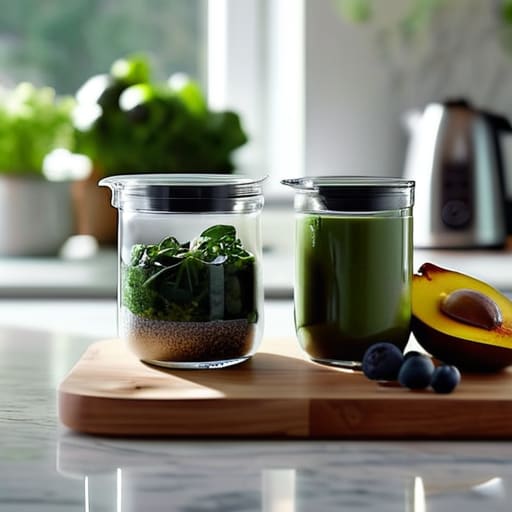
Once you’ve got the hardware sorted, the real friction starts in the kitchen. Most people fail because they treat their smoothie like a science experiment every single morning, weighing out powders and chopping kale at 7:00 AM. That’s a recipe for burnout. To keep this efficient, you need to standardize your smoothie base ingredients. I’ve found that the most streamlined approach is to prep “smoothie packs” on Sunday. Throw your greens, seeds, and fruit into individual silicone bags and keep them in the freezer. When it’s time to go, you just dump the bag into the jar, add your liquid, and hit start.
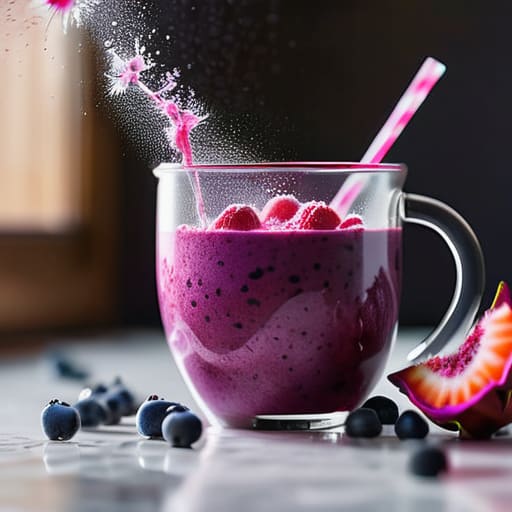
The biggest variable you’ll face is consistency, specifically regarding frozen fruit vs fresh fruit. If you rely solely on fresh produce, you’re going to end up with a lukewarm, watery mess that feels more like juice than a meal. Using frozen fruit acts as your built-in ice, giving you that thick, creamy consistency without diluting the flavor. If you’re looking to turn your drink into a legitimate meal replacement, don’t forget about adding protein to smoothies via Greek yogurt or a clean scoop of whey. It stabilizes your blood sugar and ensures you aren’t crashing by mid-morning.
Five Small Tweaks to Streamline Your Smoothie Routine
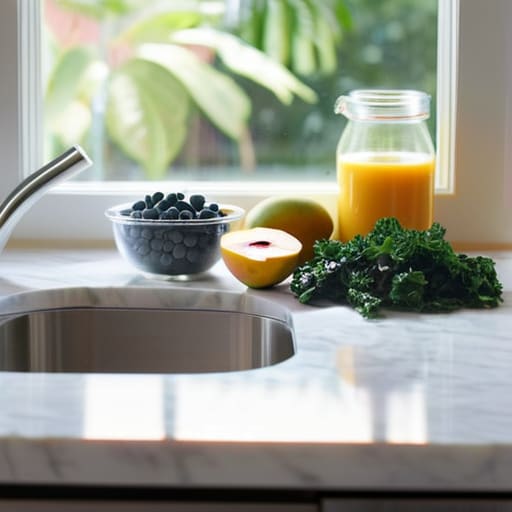
- Stop washing the blender every single morning. If you’re just making a quick fruit blend, fill the pitcher halfway with warm water and a drop of dish soap, run it on high for thirty seconds, rinse, and you’re done. It saves five minutes and a lot of mental friction.
- Use frozen fruit as your liquid’s replacement. I stopped using massive amounts of ice because it just dilutes the flavor and creates a grainy texture. Using frozen berries or mango chunks gives you that thick, creamy consistency without the watered-down mess.
- Master the “Layering Logic” to save your motor. Always put your liquids in first, followed by powders, then solids, and your frozen items last. It prevents that annoying scenario where your blades are spinning in air while the heavy frozen stuff sits stuck at the top.
- Batch-prep your “Smoothie Packs” on Sundays. Don’t hunt for ingredients at 7:00 AM when you’re half-asleep. Portion your fruit, greens, and seeds into reusable silicone bags. When it’s time to go, you just dump the bag in, add liquid, and hit start.
- Don’t overthink the “superfoods.” You don’t need twenty different expensive powders to make this work. Pick one protein source and one green, and call it a day. Adding too many variables just makes the cleanup harder and the grocery bill unnecessary.
The Philosophy of the Pour
A smoothie shouldn’t be a culinary project; it’s a system. If you’re spending twenty minutes cleaning a mountain of dishes or hunting for a specific superfood, your system is broken. Aim for high-impact ingredients and low-friction cleanup so you can actually get out the door.
Nathaniel 'Nate' Brooks
Streamlining Your Morning Routine
At the end of the day, making a great smoothie isn’t about following a complex recipe or owning a thousand-dollar piece of kitchen hardware. It’s about the system you build. You’ve learned how to pick a blender that actually does the job without draining your bank account, and you know how to prep your base ingredients so you aren’t standing in your kitchen at 7:00 AM staring blankly at a pile of kale. Once you have the right tools and a repeatable formula, the friction disappears. You aren’t “making breakfast” anymore; you’re simply executing a highly efficient process that fuels your body and keeps your morning on track.
Don’t get caught up trying to make the “perfect” smoothie every single time. If you try to optimize for every single micronutrient on day one, you’ll burn out and go back to grabbing a sugary pastry on your way out the door. Start simple, find a combination that works for your palate, and standardize the routine. The goal here isn’t culinary excellence—it’s about removing the decision fatigue that eats away at your mental energy. Get your nutrition sorted, get it done quickly, and get on with your life.
Frequently Asked Questions
How do I stop my smoothies from turning into a liquid mess that tastes like nothing?
The problem is usually your ratios. Most people treat a smoothie like a glass of juice, but if you want texture, you need structure. Stop drowning your ingredients in milk or water right away. Start with your frozen components—think frozen berries or banana chunks—and add your liquid slowly. If it’s too thin, add more frozen fruit or a spoonful of Greek yogurt. You want a thick, spoonable consistency, not a lukewarm soup.
Is it actually worth buying expensive protein powders, or can I get the same results with real food?
Look, unless you’re a competitive athlete with a hyper-specific macro target, most expensive protein powders are just overpriced convenience. If you have the time to meal prep, whole foods like Greek yogurt, eggs, or even a bit of hemp seed will always give you better nutrient density and satiety. I view powder as a tool for friction reduction—use it when you’re rushing between meetings, but don’t let it replace a real meal.
How can I prep my ingredients ahead of time so I'm not cleaning the kitchen every single morning?
The secret to a zero-friction morning is the “smoothie pack” method. On Sunday, portion out your greens, fruit, and seeds into reusable silicone bags or glass jars and keep them in the freezer. When you wake up, you aren’t chopping or measuring; you’re just dumping a single bag into the blender, adding liquid, and hitting start. It eliminates the morning clutter and keeps your counter clear of a mountain of dirty prep bowls.
What’s the best way to clean a blender without spending twenty minutes scrubbing every nook and cranny?
Stop wasting twenty minutes scrubbing blades. If you’ve just finished your smoothie, don’t let the residue dry. Fill the blender halfway with warm water, add a single drop of dish soap, and run it on high for thirty seconds. Rinse it out, and you’re done. It’s a simple system that eliminates the friction of cleanup so you can actually get on with your day. Efficiency over effort, every single time.