I remember sitting in my tiny apartment during my first year as a junior analyst, staring at a cookbook like it was a complex piece of legacy code I couldn’t debug. I had every ingredient for a simple pasta dish laid out on the counter, but I was paralyzed because I didn’t have the exact measurement for the dried oregano or the specific brand of heavy cream the book demanded. It felt like such a massive waste of mental energy—spending forty minutes reading instructions just to execute a ten-minute meal. That’s when I realized that learning how to cook without a recipe isn’t about being a culinary genius; it’s about understanding the basic logic of flavor so you can stop being a slave to a printed page.
I’m not here to give you some flowery, “trust your soul” nonsense that leaves you with a burnt pan and a hungry stomach. Instead, I want to show you how to build a functional framework for your kitchen. I’ll share the small, systematic adjustments—like mastering salt-acid balance and heat control—that will allow you to look at whatever random leftovers are in your fridge and turn them into a solid meal. We aren’t aiming for Michelin stars here; we’re just aiming to eliminate the friction of deciding what’s for dinner.
Table of Contents
Mastering the Art of Improvised Meal Planning
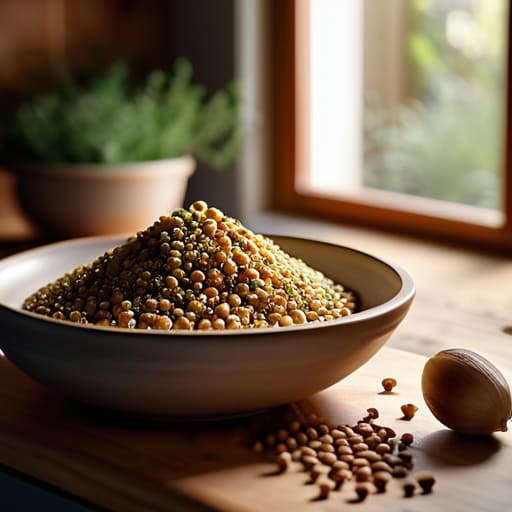
The biggest mistake I see people make is thinking they need a full grocery haul just to make a decent dinner. In reality, the best way to build your kitchen confidence building is to stop looking at your fridge as a collection of random items and start seeing it as a set of modular components. I rely heavily on pantry staple cooking—think grains, canned beans, aromatics, and oils—to form the backbone of almost everything I eat. If you have a base, a protein, and a fat, you’re already 70% of the way to a finished plate.
Once you have those components, the real magic happens when you stop measuring and start observing. Instead of following a list of instructions, focus on understanding cooking ratios—the relationship between acids, fats, and salts. If a dish feels heavy or flat, it probably needs a splash of vinegar or lemon juice to brighten it up. This isn’t about guesswork; it’s about applying basic flavor balancing principles to whatever happens to be in your cupboard. When you stop treating every meal like a high-stakes chemistry experiment and start treating it like a series of small, logical adjustments, the stress just evaporates.
Building Real Kitchen Confidence Building Skills
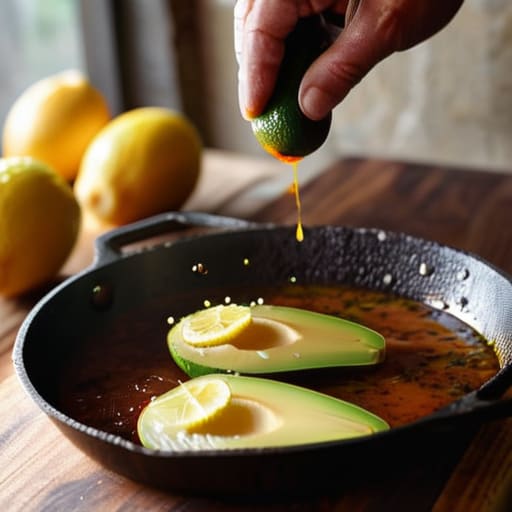
The real secret to moving away from the cookbook isn’t some innate talent; it’s about shifting your focus from following instructions to understanding flavor balancing principles. When you stop viewing a recipe as a set of laws and start seeing it as a blueprint for acidity, fat, salt, and heat, everything changes. I spent years paralyzed by the fear of “doing it wrong” until I realized that most great dishes are just a series of small adjustments. If a sauce tastes flat, it probably needs acid, not more salt. If it’s too sharp, it needs a fat to mellow it out. Once you grasp these basic mechanics, you stop guessing and start actually knowing what your food needs.
This kind of intuition comes from practicing sensory cooking techniques—basically, using your nose, eyes, and tongue as your primary tools rather than a timer. I always tell people to keep a small “testing spoon” nearby. Taste your components at every stage: the sautéed aromatics, the simmering broth, the final reduction. This habit builds a mental library of how ingredients evolve under heat. Instead of checking a screen every five minutes, you’ll find yourself waiting for that specific aroma or color change that signals a dish is ready. It turns cooking from a chore into a feedback loop that actually feels rewarding.
Five Small Tweaks to Stop Relying on the Page
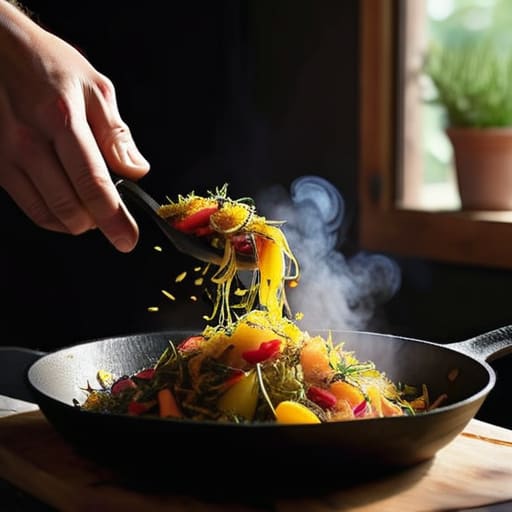
- Build a “flavor profile” mental map. Instead of looking for a specific recipe, think in terms of balance: acid (lemon, vinegar), fat (oil, butter), salt, and heat. If a dish tastes flat, don’t reach for more salt immediately—try a squeeze of lime or a splash of vinegar to brighten it up.
- Learn the “Base + Protein + Veg” framework. This is my go-to when I’m staring at a half-empty fridge. Pick a starch (rice, pasta, quinoa), a protein (chicken, beans, tofu), and whatever greens are looking sad in the crisper. Toss them in a pan with some garlic and olive oil, and you’ve got a meal.
- Master one versatile technique rather than ten recipes. If you know how to properly sauté an onion or roast a tray of vegetables, you can apply that logic to almost any ingredient. Once you understand how heat interacts with food, the recipe becomes secondary to the process.
- Keep a “flavor toolkit” in your pantry. I don’t care if you aren’t a chef; having high-quality olive oil, a few good dried herbs, soy sauce, and some chili flakes on hand means you can pivot any boring ingredient into something intentional without needing a manual.
- Taste as you go—seriously. This is the biggest mistake people make. If you wait until the dish is plated to see if it’s good, it’s too late. Taste it at the beginning, middle, and end. It’s the only way to actually learn how flavors evolve as they cook.
The System Behind the Spontaneity
“Cooking without a recipe isn’t about being a culinary genius; it’s about moving away from rigid instructions and toward a basic understanding of how flavors actually interact. Once you stop treating a cookbook like a manual and start treating your ingredients like variables in a system, the kitchen stops being a source of stress and starts being a place where you actually have control.”
Nathaniel 'Nate' Brooks
Finding Your Rhythm in the Kitchen
At the end of the day, moving away from rigid recipes isn’t about throwing your cookbooks in the trash; it’s about building a mental framework that allows for real-time adjustments. We’ve covered how to improvise your meal planning, how to build genuine confidence through technique, and how to trust your palate over a printed list of measurements. Once you stop viewing a meal as a strict set of instructions and start seeing it as a collection of components—fats, acids, salts, and heat—the anxiety of “getting it wrong” starts to evaporate. You’ll find that the most successful meals aren’t the ones that look exactly like a photo in a magazine, but the ones that actually taste good to you.
I spent years thinking that if I didn’t follow a system to the letter, I was failing. But in my kitchen, as in my work as a systems analyst, I’ve learned that the best systems are the ones that are flexible enough to adapt. Don’t let the fear of a wasted ingredient keep you tethered to a page. Start small, trust your senses, and remember that even a “failed” experiment is just data for your next successful dinner. You aren’t looking for culinary perfection; you’re just looking to reclaim your time and enjoy the process. Now, go see what’s actually in your pantry and start cooking.
Frequently Asked Questions
What are the absolute "must-have" pantry staples I need to keep on hand so I'm never actually starting from zero?
Think of your pantry as your system’s hardware; if the base components are solid, you can run any “program” you want. To avoid starting from zero, keep the essentials: dried pasta, long-grain rice, canned beans, and high-quality olive oil. For flavor, don’t skimp on garlic, onions, soy sauce, and a decent stock. If you have these building blocks, you aren’t just cooking; you’re improvising with a safety net.
How do I know if I've gone too far with the spices or seasoning before the dish is actually ruined?
The moment you feel that “panic spike”—where you’re staring at a pot wondering if it’s salvageable—you’ve probably hit the limit. If the flavor feels aggressive rather than layered, stop adding salt or heat immediately. To test it, take a tiny spoonful, let it cool, and taste it. If it’s too spicy, add fat (like cream or avocado) or acid (lemon/vinegar) to balance it. If it’s too salty, add a starch or more liquid. Don’t force it.
Is there a basic framework or "mental template" I can follow to make sure I'm balancing flavors correctly?
Think of it like debugging a piece of code: you’re just looking for what’s missing. I use a simple mental framework based on the five pillars: Salt, Fat, Acid, Heat, and Sweet. If a dish feels “flat,” it usually needs salt or acid (like a squeeze of lemon) to wake it up. If it’s too sharp, add a bit of fat or sweetness to mellow it out. Just taste, adjust, and repeat.
How do I handle dietary restrictions or cooking for picky eaters when I'm not following a set list of ingredients?
This is where most people freeze up, but think of it like modular programming: keep your base components neutral. I always build a “safe” foundation—like a simple grain or a roasted protein—and then treat sauces, spices, or toppings as add-ons. If someone is gluten-free or hates onions, you aren’t redesigning the whole system; you’re just swapping out a single variable at the end. It keeps the workflow efficient without making you a short-order cook.