I spent most of my early twenties thinking that “eating healthy” meant staring down a bowl of lukewarm, unseasoned arugula while questioning every life choice that led me to a cubicle. I used to see these ridiculous recipe blogs claiming you needed twenty-dollar organic microgreens and hand-pressed oils just to figure out how to make salad interesting, and frankly, it felt like a scam designed to waste both my time and my paycheck. If a meal feels like a chore or a punishment, your system is broken, and you’re never going to stick to it.
I’m not here to sell you on some overpriced superfood trend or a complicated culinary technique that takes forty minutes to prep. Instead, I want to show you how to apply a little systematic logic to your greens by focusing on texture, acidity, and smart layering. I’ve spent years iterating on my own lunch routine to find the most efficient ways to add actual flavor without the friction. We aren’t aiming for a Michelin-star salad; we’re just aiming to make sure your lunch is actually worth the effort.
Table of Contents
Mastering Simple Flavor Balancing in Salads
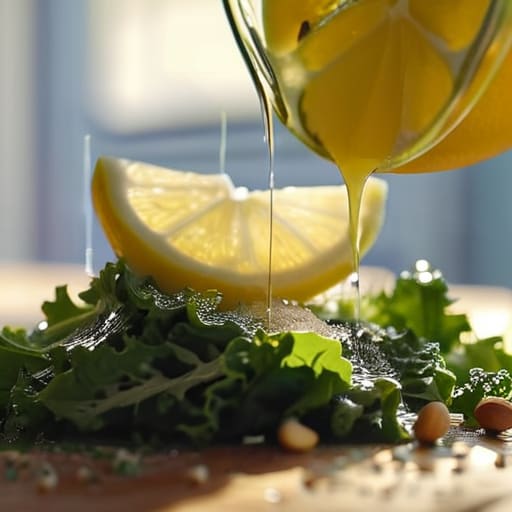
Most people treat salad dressing like an afterthought—something you pour over a pile of leaves to hide the fact that you’re eating a bowl of nothing. That’s a mistake. If you want to actually enjoy what you’re eating, you need to focus on flavor balancing in salads by hitting the four pillars: fat, acid, salt, and heat. If your bowl tastes flat, you’re likely missing acid. A squeeze of fresh lemon or a splash of apple cider vinegar acts as the “reset button” for your palate, cutting through heavy fats and making everything else pop.
Once you have the liquid base down, you have to stop thinking in terms of just “greens” and start thinking about layers. I treat my salads like I treat my vintage synths—every component needs to serve a specific purpose. If you’ve got soft greens and creamy avocado, you’re missing the crunch. This is where adding texture to salads becomes non-negotiable. I’m talking about toasted pepitas, crushed walnuts, or even crispy chickpeas. When you combine a sharp, acidic dressing with a hit of salt and a varied crunch, you stop eating out of necessity and start actually tasting your meal.
The Magic of Better Salad Dressing Combinations
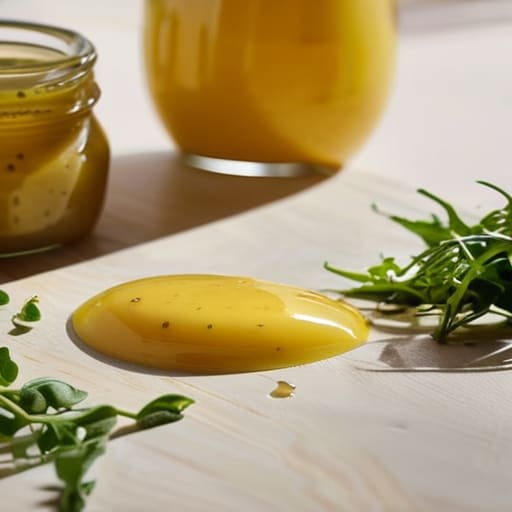
If you’re still reaching for that bottled, preservative-heavy ranch every time you want a salad, we need to talk. Most people think a salad is just a bowl of wet leaves, but the dressing is actually the operating system that makes the whole thing run. Instead of buying pre-made stuff, I’ve started making my own in about thirty seconds using a jar and a whisk. The secret to great salad dressing combinations is simple: you need an acid (lemon juice or apple cider vinegar), a fat (extra virgin olive oil or avocado oil), and a binder (a teaspoon of Dijon mustard or honey). This creates an emulsion that actually clings to the greens rather than pooling at the bottom of the bowl like a sad, oily puddle.
Once you master that basic ratio, you can start playing with more complex profiles to keep things from getting repetitive. If you’re working with bitter greens like arugula, try a heavy balsamic glaze to counter the bite. If you’re using something mild like romaine, a creamy tahini-lemon dressing works wonders. I also like to experiment with adding texture to salads by tossing in some toasted seeds or crushed nuts directly into the dressing before pouring it on. It ensures every single bite has that necessary crunch and a hit of flavor that makes the meal feel intentional rather than just a chore.
Texture is the Secret Variable
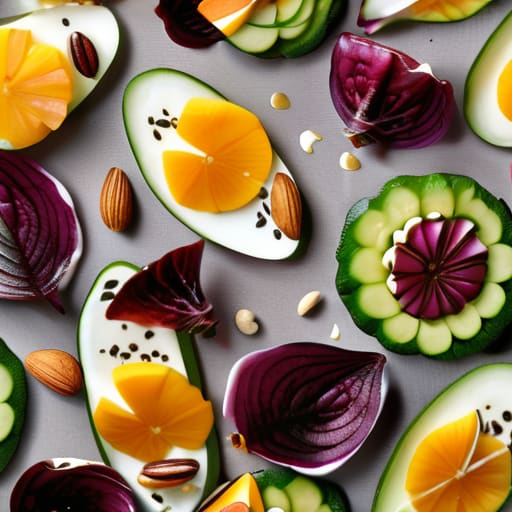
- Stop treating your salad like a pile of wet leaves. If everything in the bowl is soft, your brain is going to check out halfway through. You need crunch to keep things engaging—think toasted pumpkin seeds, sliced radishes, or even some crushed pita chips.
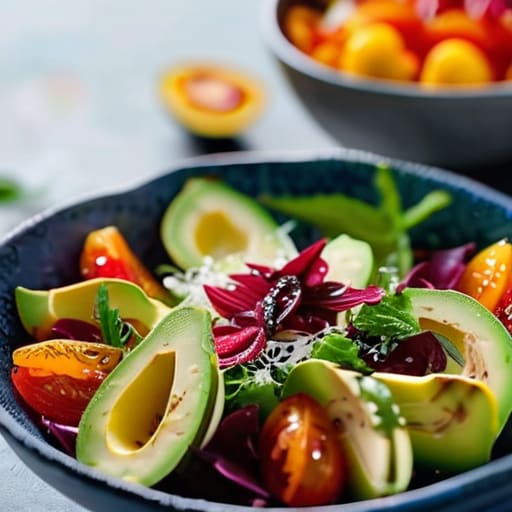
- Don’t overlook the power of a good fat. A salad without a creamy element feels unfinished. I usually throw in some crumbled feta, sliced avocado, or even some hard-boiled egg to give it some actual weight so you aren’t hungry twenty minutes later.
- Use fruit to break the monotony. It sounds weird if you’re used to strictly savory greens, but a handful of dried cranberries or some sliced pear cuts through the bitterness of arugula perfectly. It’s a simple way to add a layer of complexity without much effort.
- Temperature matters more than you think. I’ve started throwing warm elements into my salads—like roasted sweet potatoes or even warm chickpeas—to create a contrast against the cold greens. It makes the whole meal feel more intentional and less like a side dish.
- Season your greens, not just your dressing. This is a mistake I made for years. Before you even pour on the vinaigrette, hit the vegetables with a pinch of salt and some cracked black pepper. It wakes up the natural flavors of the produce so they don’t just get drowned in oil.
The Philosophy of the Bowl
A salad shouldn’t feel like a chore you’re forcing yourself to complete; it should be a deliberate assembly of textures and acid that actually makes you want to sit down and eat.
Nathaniel 'Nate' Brooks
Stop Settling for Boring Bowls
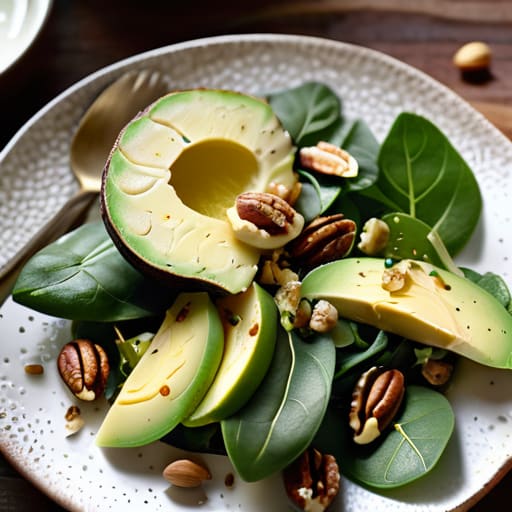
At the end of the day, making a salad interesting isn’t about following some complex, five-star recipe that requires a culinary degree. It’s about applying a little bit of logic to your plate. We’ve covered how to balance your flavors so you aren’t just eating acid or salt, how to layer in textures like toasted nuts or crunchy seeds, and how to ditch the bottled, preservative-heavy dressings for something that actually tastes alive. Once you realize that a salad is just a system of components—acid, fat, crunch, and salt—you stop viewing it as a chore and start seeing it as a customizable framework.
My goal isn’t to turn you into a chef; it’s to help you stop wasting your lunch hour on something that leaves you feeling unsatisfied. Life is complicated enough without having to endure a meal that feels like an afterthought. Start small. Pick one new texture or one better dressing combo this week and see how it changes the experience. You don’t need to aim for a perfect, Instagram-worthy bowl every single time; you just need to eliminate the friction of a mediocre meal. Eat something that actually tastes good, and then get back to the things that actually matter.
Frequently Asked Questions
How do I stop my salad from getting soggy if I'm prepping it ahead of time for work?
The “sad, soggy salad” is a classic failure of logistics. If you’re prepping for work, stop mixing everything in one bowl the night before. You need to build a structural hierarchy. Use a tall glass container and layer it like a system: heavy, hardy items like chickpeas or cucumbers go at the bottom; greens go in the middle; and anything delicate or moisture-heavy stays at the very top. Most importantly, keep the dressing in a separate tiny container. Don’t let it touch the greens until you’re actually sitting down to eat.
Are there any specific proteins that actually pair well with a salad without making it feel like a heavy meal?
The trick is avoiding anything that feels like a side of heavy protein. Skip the thick steak or breaded chicken; they turn a salad into a chore to eat. Instead, I go for lighter, high-quality options like chilled poached shrimp, soft-boiled eggs, or even some smoked tofu. If you want more substance without the weight, canned chickpeas or lentils are my go-to. They add texture and satiety without making you feel like you need a nap immediately after.
I'm tired of spending twenty minutes chopping; is there a way to get these textures without the constant kitchen cleanup?
I hear you. Twenty minutes of prep is a massive friction point that kills the momentum of even the best meal. If you want texture without the cleanup, stop over-engineering. Buy pre-washed baby greens, grab a bag of high-quality toasted seeds or nuts, and keep some crumbled feta in the fridge. You can also lean on “shelf-stable” crunch like dried cranberries or crispy chickpeas. It’s not cheating; it’s optimizing your time so you actually eat.
How do I balance a salad if I don't have a pantry full of expensive oils and vinegars?
Look, you don’t need a $40 bottle of artisanal balsamic to make this work. If your pantry is bare, stick to the basics: a decent olive oil and whatever acid you have on hand—lemon juice, apple cider vinegar, or even a splash of pickle juice. The goal is just a simple ratio of three parts oil to one part acid. Season it aggressively with salt and pepper. That’s the system. Don’t overcomplicate it.