I used to think yoga was just a high-priced way for people to perform expensive flexibility stunts in overpriced leggings. I’m a systems guy; I like logic, structure, and things that actually work, so the idea of “finding my zen” through a series of complicated, Instagram-ready contortions felt like a massive waste of time. I spent years avoiding it because I assumed yoga for beginners meant I’d have to spend a fortune on gear or pretend to be a professional athlete just to touch my toes. Honestly, the sheer amount of fluff and spiritual jargon surrounding the practice is enough to make anyone want to just stay on the couch.
Here is my promise: we aren’t going to do any of that. I’ve stripped away the nonsense and built a framework based on what actually helps a busy, stressed-out person reclaim some physical and mental bandwidth. I’m going to show you how to integrate basic movements into your life without turning your living room into a boutique studio. This isn’t about achieving perfection or mastering a handstand; it’s about implementing small, efficient adjustments that actually reduce your daily friction. Let’s get to work.
Table of Contents
Ditch the Complexity for a Daily Yoga Routine for Beginners
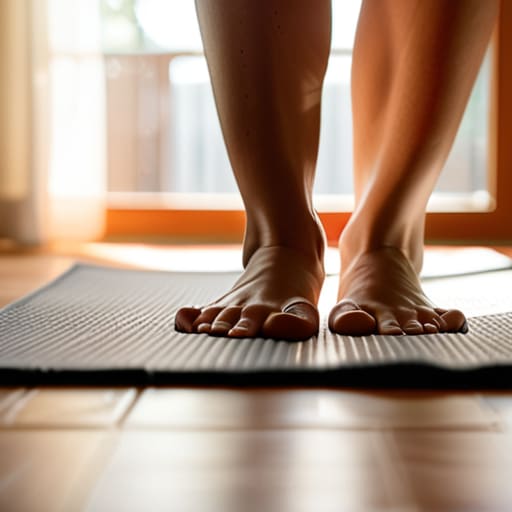
Look, I spent years trying to optimize every second of my workday, but I quickly realized that you can’t optimize a body that’s constantly stuck in a state of tension. Most people fail at yoga because they treat it like a high-intensity workout or a spiritual quest they aren’t “ready” for. They buy the expensive gear, watch a complex tutorial, and then quit when they realize they can’t touch their toes. My advice? Strip it all back. You don’t need a studio or a custom-built sanctuary; just grab a mat and focus on a daily yoga routine for beginners that actually fits into your existing schedule.
The secret isn’t in the complexity; it’s in the consistency. Instead of aiming for an hour of intense movement, try starting with just fifteen minutes of gentle yoga stretches right after you wake up or before you hit the couch for the evening. Focus on a few foundational movements that target your hips and spine—the areas that usually pay the highest price for sitting at a desk all day. If you can master a few basic yoga poses for flexibility and pair them with intentional, steady breathing, you’ll start seeing more progress than someone who tries to do a “perfect” class once a month. Keep it simple, keep it repeatable, and just show up.
The Bare Essentials Only the Yoga Equipment You Actually Need
Look, I’ve seen enough “lifestyle” influencers try to sell you a $150 eco-friendly cork mat and a set of rose-gold meditation cushions to know that most of it is just marketing noise. If you’re just starting out, you don’t need a dedicated studio setup in your living room. The truth is, the most essential yoga equipment you can own is actually just a decent, non-slip mat. Anything less—like a towel on a hardwood floor—is a recipe for a bruised hip or a slipped limb when you’re trying to hold a pose.
Beyond the mat, if you find yourself struggling with balance or feeling a bit too tight, grab a couple of firm pillows or even a couple of thick hardcover books. These act as makeshift blocks, which are lifesavers when your hamstrings aren’t quite ready for certain gentle yoga stretches. You aren’t trying to win an Olympic medal; you’re just trying to make the movement accessible. If you can find a quiet corner and a surface that doesn’t slide out from under you, you have everything you need to build a sustainable practice. Don’t let a lack of gear be the reason you don’t start.
Five Rules to Keep Your Practice from Becoming Another Chore
- Stop chasing the “perfect” pose. I spent way too much time early on trying to look like a professional instructor in a YouTube video, and all it did was cause tension. Yoga isn’t a performance; if you can’t reach your toes, just bend your knees. The goal is feeling the stretch, not looking like a statue.
- Listen to your body, not the timer. Some apps tell you to hold a pose for sixty seconds, but if your lower back starts screaming at forty, stop. Pushing through sharp pain isn’t “discipline”—it’s just bad systems management that leads to injury.
- Focus on your breath, not your ego. If you find yourself holding your breath because a pose is getting difficult, you’ve gone too far. Deep, steady breathing is the actual engine of yoga; the physical movements are just the framework.
- Keep your sessions short and consistent. I’ve learned that a grueling 60-minute session once a week is useless compared to ten minutes of movement every morning. Build the habit first; the intensity can come later once the routine is automated.
- Don’t get distracted by the “lifestyle” fluff. You don’t need expensive crystals, specific incense, or a curated playlist to make this work. All you need is a bit of floor space and the willingness to move. Keep it simple so you actually show up.
The Mindset Shift
“Stop treating yoga like a performance you need to master and start treating it like a system update for your body; you don’t need a perfect pose, you just need to show up and clear the cache.”
Nathaniel 'Nate' Brooks
Stop Overthinking and Just Roll Out the Mat
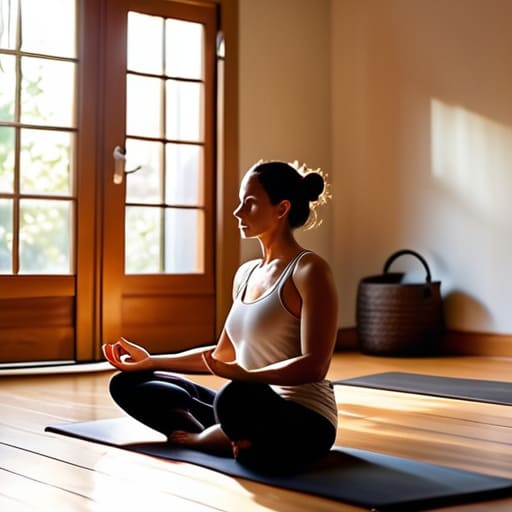
Look, we’ve covered the essentials: you don’t need a boutique studio membership or a collection of expensive, color-coordinated gear to make this work. You just need a bit of space, a decent mat, and the willingness to show up when you’d rather stay on the couch. Remember, the goal isn’t to master a headstand by next Tuesday; it’s about building a sustainable system that reduces your stress rather than adding to your to-do list. Keep your routine simple, focus on the basic movements we discussed, and stop chasing perfection in every pose. If you can commit to even ten minutes of movement, you’ve already won the day.
At the end of the day, yoga is just another tool in your kit to help manage the friction of a busy life. It’s not about being the most flexible person in the room; it’s about finding a moment of quiet in the middle of the chaos. Don’t let the fear of doing it “wrong” keep you from starting. Just roll out your mat, breathe, and let the process work for you. You aren’t aiming for a flawless practice—you’re just aiming to be a little more centered than you were yesterday. Now, go get started.
Frequently Asked Questions
How much time do I actually need to commit each day to see any real benefits?
Look, I’m a systems guy, so I hate vague answers. If you’re looking for a magic hour-long session to transform your life, you’re going to burn out by Tuesday. Forget that. Start with fifteen minutes. That’s it. It’s enough time to move your joints and reset your nervous system without it feeling like another chore on your to-do list. Consistency beats intensity every single time. Just show up, move, and get back to your day.
I'm not flexible at all—am I even capable of doing this without hurting myself?
Look, I get it. I spent years trying to “optimize” my gym routine only to realize I was just fighting my own biology. Here’s the truth: you don’t need to be flexible to start yoga; you do yoga to become flexible. If you try to force a pose, you’ll get hurt. That’s the system error. Just move within a range that feels like a stretch, not a tear. Listen to your body, not the instructor.
Do I need to follow a specific type of yoga, or can I just mix different styles together?
Honestly? Don’t get hung up on the labels. If you spend all your time researching the “perfect” lineage, you’ll never actually get on the mat. For a beginner, I’d suggest starting with something foundational like Hatha to learn the mechanics, but feel free to mix it up. If a flow class feels too intense one day, grab a restorative video. The goal is movement and consistency, not becoming a purist. Just move.
What should I do if I start feeling pain during a pose instead of just that usual muscle stretch?
Listen, this is where most people mess up. There’s a massive difference between a “good” stretch—that deep, slightly uncomfortable pull—and actual pain. If you feel a sharp, stabbing, or pinching sensation, stop immediately. Don’t try to “breathe through it.” That’s how you end up with a long-term injury. Back off the pose, find a neutral position, and check your alignment. If it keeps happening, you’re pushing too far or your form is off.