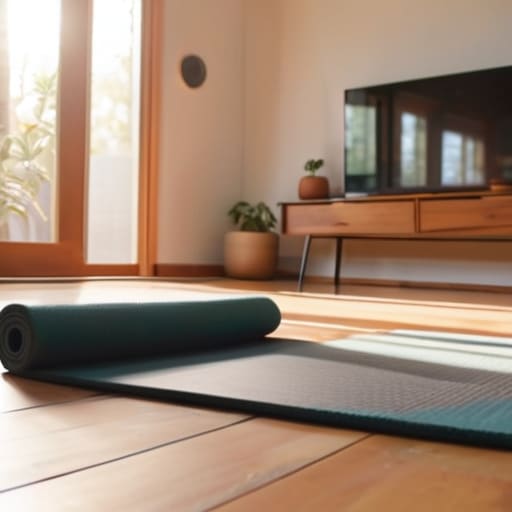
I remember sitting on my living room floor three years ago, staring at a $200 set of dumbbells I’d bought on a whim, feeling absolutely paralyzed by the sheer amount of “expert” advice online. Every fitness influencer was screaming about high-intensity interval training, expensive supplements, or specialized gear that I definitely didn’t have the space for. It felt like you couldn’t even start a home workout for beginners without a degree in kinesiology or a massive budget, which is complete nonsense. Most of that hype is just friction designed to keep you from actually moving.
I’m not here to sell you a transformation montage or a subscription to a boutique fitness app. My goal is to help you strip away the noise and build a system that actually fits into your existing life. I’ll show you how to leverage what you already have to create a low-friction routine that prioritizes consistency over intensity. We aren’t aiming for a shredded physique by next Tuesday; we are just aiming to build a sustainable habit that works when life gets messy.
Table of Contents
Mastering Bodyweight Exercises for Beginners Without the Fluff
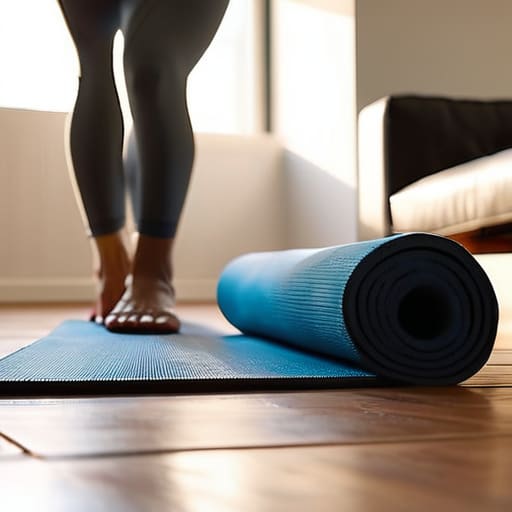
Look, you don’t need a gym membership or a rack of heavy dumbbells to see actual progress. Most people fail because they try to mimic a professional athlete’s routine on day one, burn out by Wednesday, and then quit entirely. The secret is to lean into bodyweight exercises for beginners that focus on fundamental movement patterns: pushing, pulling, squatting, and core stability. If you can move your own weight through space with control, you’re already doing more than most.
I like to treat my movement like a system—if a component is broken, you don’t just force it; you troubleshoot. If a standard push-up feels like a recipe for shoulder pain, don’t push through it. Drop to your knees or use a kitchen counter for an incline. This is the essence of a no equipment fitness plan that actually works: it’s about adaptability over intensity.
Start with a handful of reliable moves—squats, lunges, planks, and push-ups—and aim for a simple circuit. You aren’t trying to win an Olympic medal; you’re just trying to build a baseline of functional strength. Keep the movements clean, focus on the tension in your muscles, and prioritize form over repetitions every single time.
Building a No Equipment Fitness Plan That Actually Sticks
The biggest mistake I see people make is trying to build a routine that looks like a professional athlete’s training split. If you try to go from zero to sixty in one week, you’re going to burn out by Tuesday. Instead, I treat my fitness like a system: you need a sustainable input to get a consistent output. Start by designing a no equipment fitness plan that focuses on frequency over intensity. I’m talking about just 20 minutes, three or four times a week. The goal isn’t to destroy yourself; it’s to prove to your brain that this is a non-negotiable part of your daily operating system.
To make this stick, you need to remove the decision fatigue. Don’t wake up and ask, “What should I do today?” That’s how you end up scrolling on your phone for twenty minutes instead of moving. Map out a simple full body home workout routine on Sunday night—maybe a circuit of squats, push-ups, and planks—and write it down. When the plan is already decided, the friction of starting disappears. If you’re feeling particularly drained, don’t skip the session entirely; just pivot to some low impact home exercises like mobility work or light stretching. Keeping the streak alive is far more important than the actual calories burned.
Five Low-Friction Rules to Keep You Moving
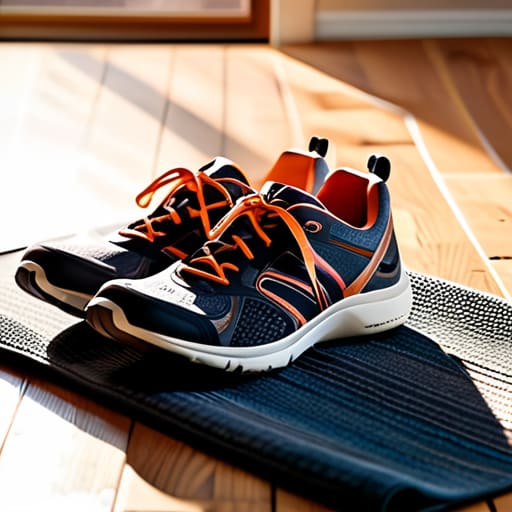
- Stop waiting for the “perfect” time or the perfect setup. If you wait until you have a dedicated gym room and a complete set of kettlebells, you’ll never start. Just clear a 6×6 space on your floor and use what you have.
- Use the “Two-Minute Rule” to bypass mental resistance. On days when your brain is screaming that you’re too tired, tell yourself you’ll just do two minutes of movement. Usually, once the friction of starting is gone, you’ll finish the set. If not? At least you kept the habit alive.
- Schedule your workouts like a system update, not a suggestion. If it isn’t in your digital calendar, it doesn’t exist. Treat that 20-minute block with the same respect you’d give a meeting with your boss.
- Focus on progressive overload, even without weights. You don’t need a heavy barbell to get stronger; you just need to make things slightly harder. Add one extra rep, slow down your tempo, or decrease your rest time between sets. Small increments lead to massive long-term gains.
- Audit your environment to reduce decision fatigue. Lay your workout clothes out the night before. If your gear is already visible and ready to go, you’ve removed one more mental barrier between you and the workout.
## The Frictionless Mindset
“The biggest mistake I see people make is waiting for the perfect gym setup or a fancy subscription to start. Fitness isn’t about the gear; it’s about lowering the barrier to entry so much that ‘not doing it’ becomes harder than just doing it.”
Nathaniel 'Nate' Brooks
The Path Forward
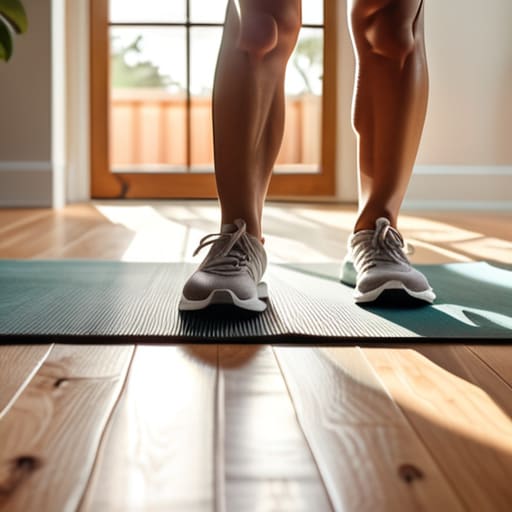
Look, we’ve covered the essentials: you don’t need a fancy gym membership or a room full of expensive dumbbells to see results. By mastering those foundational bodyweight movements and building a routine that actually fits into your existing schedule, you’ve already done the hardest part—you’ve removed the excuses. Remember, the goal here isn’t to transform into an elite athlete overnight; it’s about creating a sustainable system that works even when your motivation dips. Focus on the mechanics, keep your equipment minimal, and most importantly, stick to the plan even on the days when you’d rather just stay on the couch.
At the end of the day, fitness is just another system to optimize. If you try to overhaul your entire life in a single Monday morning, you’re going to crash by Thursday. Instead, treat these workouts as small, incremental upgrades to your daily operating system. Don’t worry about being perfect; just aim to be slightly more consistent than you were last week. Life is going to throw chaos your way—work deadlines, family stuff, or just a bad mood—but if you have a low-friction routine ready to go, you can always find your way back to center. Now, stop reading, put your phone down, and just get moving.
Frequently Asked Questions
How much time do I actually need to dedicate each day to see real progress?
Look, I’m a systems guy, so I’m going to give you the data-driven answer: less is more if you actually show up. You don’t need an hour of grueling sweat every day. Aim for 20 to 30 minutes of focused, high-quality movement. If you can give me three 20-minute sessions a week, you’re already beating most people. Consistency is the metric that matters here, not the duration of the session. Just keep the friction low.
I have zero athletic background—how do I know if my form is actually safe?
Look, I get it. When you haven’t spent years in a gym, staring at your own reflection feels awkward, and the fear of injury is real. Since I don’t have a trainer standing over my shoulder, I use two rules: first, film yourself on your phone and compare it to a pro’s video—it’s a reality check you can’t argue with. Second, listen to your body. Muscle burn is fine; sharp, joint pain is an immediate stop sign.
What should I do on the days when my motivation is completely non-existent?
Listen, I’ve been there. Some days the spreadsheet of your life just looks like a mess. When motivation hits zero, stop trying to “crush it.” Instead, lower the barrier to entry until it’s impossible to fail. Tell yourself you’ll just do five minutes of stretching or ten pushups. Usually, starting is the friction point; once you’ve moved, you’ll keep going. And if you don’t? That’s fine too. Just don’t break the streak entirely.
Do I really need to buy any gear, or can I honestly do everything with just a floor and a chair?
Honestly? You don’t need a single piece of gym equipment. I’ve spent way too much time optimizing spreadsheets, and the math is simple: your body is the primary tool. A floor and a sturdy chair are more than enough to build a solid foundation. If you can do a push-up and a step-up, you’re golden. Don’t let the lack of fancy dumbbells become another excuse to delay starting. Just move.