I’m tired of seeing those $50 “smart” water bottles that glow every time you take a sip, or those complex hydration apps that feel more like a second job than a health hack. Honestly, if you need a digital notification to remind you of a basic biological function, your system is already broken. I spent years treating hydration like a high-stakes project, buying every gadget on the market only to realize that most advice on how to drink more water is just unnecessary friction disguised as wellness.
I’m not here to sell you a lifestyle overhaul or a subscription to a tracking app. Instead, I want to share the low-tech, high-impact adjustments I used to fix my own energy crashes and brain fog. We’re going to focus on eliminating the excuses through simple environmental cues and better habits that actually stick. My goal is to help you build a routine that feels completely automatic, so you can stop thinking about your water intake and get back to the things that actually matter.
Table of Contents
Ditch the Myths With a Daily Water Intake Calculator
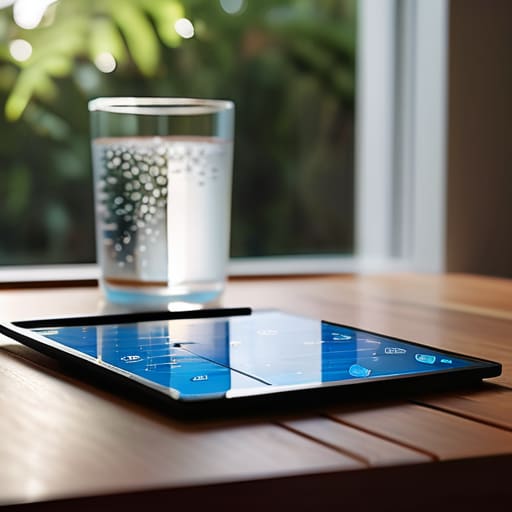
Look, I spent way too many years following that “eight glasses a day” rule blindly, only to realize it’s a pretty blunt instrument. It doesn’t account for your body weight, your activity level, or even the humidity in your living room. If you’re basing your entire strategy on a generic number you saw on a health blog, you’re likely either overdoing it or—more likely—missing the mark entirely. Instead of guessing, I highly recommend using a daily water intake calculator to get a baseline that actually makes sense for your specific biology. It turns a vague goal into a concrete data point, which is much easier for my analytical brain to process.
Once you have that number, stop treating hydration like a chore and start treating it like a system. You don’t need to obsessively log every ounce, but if you struggle with consistency, a few hydration tracking apps can take the mental load off your plate. The goal isn’t to become a human spreadsheet; it’s to automate the process so you aren’t constantly checking in with yourself to see if you’re feeling lightheaded. If you start noticing things like brain fog or afternoon fatigue, those are classic signs of dehydration telling you your current “system” is failing. Fix the input, and the output follows.
Listen to Your Body Spotting the Subtle Signs of Dehydration
Look, you can run every daily water intake calculator on the internet, but those numbers are just starting points. They don’t account for the fact that you might have spent an extra hour in a stuffy office or hit the gym harder than usual. Instead of obsessing over the exact ounce, you need to learn to read the signals your body is sending you. Dehydration isn’t always a dramatic, parched-throat emergency; more often, it’s a slow, subtle drain on your system.
If you find yourself hitting a mid-afternoon slump or feeling that strange, foggy tension behind your eyes, don’t reach for a third cup of coffee. That’s often just your brain begging for fluid. Other common signs of dehydration include a sudden craving for something salty, a slight headache, or even just feeling unusually irritable. I used to mistake these for hunger or stress, but once I started paying attention, I realized I was just running on empty.
The trick is to stop treating hydration like a chore and start treating it like a diagnostic tool. If you feel “off,” try drinking a full glass of water and waiting fifteen minutes. Most of the time, that minor dip in energy will vanish. It’s about building that intuitive connection with your own needs so you aren’t constantly playing catch-up.
Five Low-Friction Ways to Hit Your Water Goals
- Buy a bottle you actually like. I’m serious—if you’re carrying around a clunky, cheap plastic bottle that leaks in your bag, you’re going to leave it on your desk. Invest in a solid, insulated stainless steel bottle. It keeps the water cold, it feels good in your hand, and it becomes part of your daily kit.
- Use “habit stacking” to trigger your intake. Don’t try to remember to drink water out of thin air; tie it to things you already do. Drink a full glass immediately after you brush your teeth, or take a few sips every time you finish a meeting. If it’s attached to an existing routine, you don’t need willpower to make it happen.
- Keep a dedicated “hydration station” at your desk. If you have to walk across the room every time you’re thirsty, you won’t do it. Keep a carafe or a large jug right next to your keyboard. If the water is within arm’s reach, the friction of drinking it disappears.
- Flavor it without the sugar crash. If plain water feels like a chore, add some natural flavor. I usually toss a few slices of cucumber or a squeeze of lemon into my bottle. It makes the experience feel less like a medical requirement and more like something you actually want to sip on.
- Set a “low-tech” reminder. I know, I know—you don’t want another notification pinging your phone while you’re trying to work. Instead, use a physical cue. Put a rubber band around your bottle for every 20 ounces you need to drink. Once the bands are gone, you’ve hit your target. It’s visual, tactile, and keeps you off your screen.
## Systems Over Willpower
“Stop trying to ‘will’ yourself into drinking more water. You wouldn’t expect yourself to remember every single line of code without a system, so don’t expect your brain to remember to hydrate. Design your environment so that drinking water is the path of least resistance, not a daily mental chore.”
Nathaniel 'Nate' Brooks
Making It Stick
At the end of the day, staying hydrated isn’t about hitting some arbitrary, magical number you saw on a wellness blog. It’s about building a system that works for your specific body and your specific schedule. Whether you’re using a calculator to find your baseline, learning to read your body’s subtle cues, or just keeping a reusable bottle within arm’s reach, the goal is to remove the friction. Stop treating hydration like a chore you have to remember and start treating it like a background process—something that just happens because your environment is set up to support it. Once you stop overthinking the math and start focusing on the habit, the rest usually falls into place.
Look, I’m not asking you to overhaul your entire life by tomorrow morning. I’m a big believer in incremental gains over radical, unsustainable shifts. If you can just manage to drink one extra glass today, you’re already ahead of where you were yesterday. We aren’t aiming for some flawless, high-performance specimen status; we’re just trying to optimize the basics so we have more energy for the things that actually matter. Grab your bottle, find your rhythm, and just start small. Your future, less-foggy self will thank you for it.
Frequently Asked Questions
Is it actually okay to chug a huge amount of water all at once, or should I be sipping it throughout the day?
Look, I get the urge to just knock back a liter in one go to “get it over with,” but that’s a losing strategy. Your body isn’t a sponge that can absorb a flood; it’s more like a precision system. If you chug too much too fast, you’re mostly just taxing your kidneys and heading straight to the bathroom. Aim for steady, consistent sips throughout the day. It keeps your levels stable without the waste.
Does drinking coffee or tea count toward my daily total, or am I basically just flushing my system?
Here’s the short answer: Yes, they count. I used to worry that my morning coffee was basically undoing all my hydration efforts, but the science doesn’t back that up. While caffeine has a mild diuretic effect, it’s not enough to negate the water content in the drink itself. If you enjoy a cup of tea or a dark roast, count it toward your total. Just don’t make them your only source of fluids.
Are there specific times of day when I should prioritize drinking, or is it really just about the total volume?
Look, if you’re trying to optimize your day, don’t just treat water like a chore to check off at midnight. Total volume matters, but timing is your secret weapon for managing energy. I try to front-load my intake—drinking a big glass right when I wake up to clear the brain fog. Then, I aim for steady sipping throughout the afternoon to avoid that 3 PM slump. Just don’t chug everything right before bed, or your sleep schedule will suffer.
Will drinking this much water actually affect my sleep or make me have to get up in the middle of the night?
Look, I get it. The last thing anyone wants is a 3:00 AM trip to the bathroom breaking a solid sleep cycle. The short answer is: yes, if you chug a liter right before bed, you’re going to be up. The fix is simple optimization. Front-load your hydration. Drink the bulk of your water during the day and taper off about two hours before hitting the pillow. It’s all about timing the system.