I used to think that “saving money” meant living on a diet of generic-brand ramen and whatever was on the clearance rack at 9:00 PM. I spent my early twenties treating my grocery runs like a high-stakes survival game, only to realize I was actually losing more time and energy than I was saving. Most of the advice you see online about how to save on groceries is either incredibly tedious—like clipping physical coupons in 2005—or it’s just plain unrealistic for someone with a full-time job. I’m tired of the “extreme budgeting” influencers who act like you should never buy a piece of fresh fruit if it isn’t on sale.
I’m not here to give you a lecture on deprivation or a list of complicated spreadsheets that take three hours to maintain. Instead, I want to show you how to apply a little bit of systems thinking to your kitchen routine. I’m going to share the specific, low-friction tweaks I use to cut my food costs without turning my life into a second job. We aren’t aiming for some impossible, zero-waste perfection; we’re just looking for smarter habits that keep your bank account full and your fridge stocked.
Table of Contents
Mastering Smart Grocery List Strategies
The biggest mistake I see people make isn’t actually what they buy, but how they decide what to buy. If you walk into a store without a rigid plan, you’re essentially inviting impulse buys to hijack your budget. I’ve learned that the most effective way to stay on track is to treat your list like a system rather than a suggestion. Start with some basic meal planning for beginners: pick three or four core recipes you know you’ll actually eat, and build your list around those specific ingredients. This prevents that mid-week panic where you end up ordering takeout because you have “nothing to eat” despite a full pantry.
Once your foundation is set, I recommend organizing your list by store layout rather than by food category. Grouping your items by aisle—produce, dairy, dry goods—minimizes the time you spend wandering aimlessly through the aisles. This isn’t just about saving time; it’s about reducing the friction that leads to decision fatigue. When you’re tired and navigating a crowded store, you’re much more likely to grab high-margin, processed snacks. A structured, linear list keeps you focused on the mission and helps in reducing food waste at home by ensuring you only bring home what you have a concrete plan to use.
The Truth About Store Brand vs Name Brand
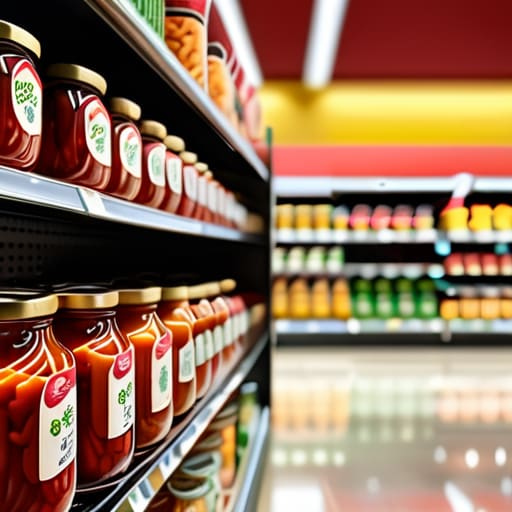
I used to be a name-brand loyalist, mostly because I didn’t want to risk a mediocre meal. I figured if I was paying for a specific brand of pasta sauce or olive oil, I was paying for a guarantee of quality. But as I started looking at my monthly spending through a more analytical lens, I realized I was paying a massive “brand tax” for products that were functionally identical to the generic versions sitting right next to them. The reality of store brand vs name brand is that the manufacturing processes are often incredibly similar, if not identical, to the big names.
That said, I’ve learned that you can’t just swap everything blindly. There’s a system to it. For staples like flour, sugar, canned beans, or even certain frozen vegetables, the store brand is almost always a no-brainer win. However, I still stick to the name brands for a few specific “high-stakes” items—like certain spices or specific condiments where the flavor profile is actually distinct. It’s all about knowing where the quality gap actually exists so you aren’t sacrificing your dinner for a few extra cents. If you approach this with a bit of experimentation, you’ll find that most of your pantry can be “genericized” without any noticeable drop in quality.
Five Low-Friction Tactics to Cut Your Grocery Bill
- Audit your pantry before you leave the house. I used to grab a second jar of cumin or a backup bag of rice every week, only to realize I already had three of them gathering dust in the back of the cupboard. A quick 60-second scan of your shelves prevents redundant spending.
- Embrace the “frozen is fine” rule. Fresh produce is great, but it’s also a fast track to throwing money in the trash when it wilts in the crisper drawer. Frozen vegetables and fruits are flash-frozen at peak nutrition and won’t expire by Tuesday, making them a much more efficient choice for a streamlined kitchen.
- Stop falling for the “unit price” trap. Don’t just look at the big number on the tag; look at the tiny number in the corner that shows the price per ounce or per gram. Sometimes the “family size” pack is actually more expensive per unit than the standard one, and I’ve wasted way too much time and money not checking that math.
- Build a “base ingredient” meal plan. Instead of trying to cook five completely different, complex recipes, pick two or three versatile bases—like a large batch of roasted chicken or a pot of quinoa—and rotate them throughout the week. It reduces decision fatigue and ensures you’re actually using everything you buy.
- Avoid the “hunger impulse” buy. Never, under any circumstances, walk into a store on an empty stomach. It’s a systemic failure waiting to happen; your brain will prioritize immediate dopamine hits (usually in the snack aisle) over your pre-planned, budget-friendly list. Shop when you’re satiated, and you’ll stick to the plan.
The Philosophy of the Grocery Run
“Saving money on food isn’t about deprivation or living on ramen; it’s about optimizing your system so you aren’t paying a premium for poor planning and brand loyalty.”
Nathaniel 'Nate' Brooks
Cutting the Friction, Not the Flavor
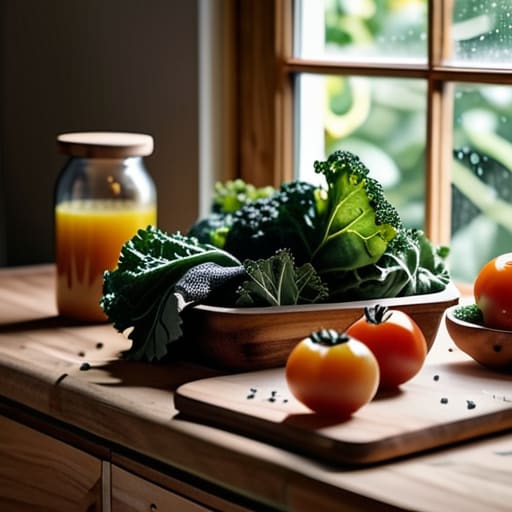
At the end of the day, saving money on groceries isn’t about deprivation or living on instant noodles; it’s about optimizing your system. We’ve looked at how a disciplined list keeps you from making impulse buys, and how switching to store brands can significantly lower your overhead without sacrificing the quality of your meals. By treating your grocery run like a small, manageable project rather than a chaotic errand, you stop the slow leak of cash that happens every time you walk through those sliding doors. It’s really just a matter of eliminating the unnecessary friction that leads to overspending.
Don’t feel like you have to overhaul your entire kitchen overnight. If you try to implement every single tip at once, you’ll likely burn out by next Tuesday. Instead, pick one or two of these adjustments—maybe it’s just committing to a digital list or finally giving the generic pasta a shot—and see how it feels. My goal isn’t to turn you into a frugal robot, but to help you reclaim that extra bit of breathing room in your budget. Remember, we aren’t aiming for a perfect, zero-waste lifestyle; we are just aiming for a better, more intentional routine that works for your actual life.
Frequently Asked Questions
How do I manage to stick to my list when I'm actually in the store and everything looks good?
Look, I’ve been there. You walk in with a plan, and suddenly the seasonal aisle is calling your name. My rule is simple: stick to the perimeter and treat the middle aisles like a minefield. If it’s not on the list, it doesn’t exist. If you feel a craving hitting, write it down for next week instead of grabbing it now. Don’t let a momentary impulse break the system you worked so hard to build.
Is it actually worth the extra time to meal prep, or am I just wasting my Sunday?
Look, I get it. Spending four hours in a flour-dusted kitchen on a Sunday feels like a massive tax on your weekend. But from a systems perspective? It’s a high-yield investment. If you aren’t prepping, you’re paying the “decision fatigue tax” every single weeknight—ordering expensive takeout because you’re too tired to think. You don’t need to cook elaborate feasts; just prep the components. Chop the veggies, cook the grains. Streamline the friction, save the cash.
How do I handle grocery shopping if I'm eating for a family instead of just myself?
When you move from solo shopping to feeding a family, the complexity scales exponentially. You can’t just wing it anymore. I’ve found the best way to manage this is by shifting from “buying food” to “buying meals.” Start with a weekly meal plan that utilizes overlapping ingredients—if you’re buying a massive bag of spinach, ensure it’s in a salad on Monday and a pasta dish on Wednesday. It eliminates waste and keeps your budget from spiraling.
Are grocery delivery services and apps actually saving me money, or am I just paying for convenience?
Look, I’ll be honest: if you’re just using delivery to avoid a ten-minute drive, you’re paying a massive “convenience tax” in service fees and markups. It’s a system leak. However, if you use the app to build a strict digital list, you actually eliminate impulse buys—which is where most of our money vanishes. Use the tech to control your spending, but don’t let the ease of clicking “order” bypass your budget.