I remember sitting at my kitchen table three years ago, staring at a utility bill that felt less like a statement and more like a personal insult. I had spent my entire weekend researching high-tech smart home gadgets and expensive solar arrays, thinking that was the only way to fix the problem. But honestly? Most of that “expert” advice is just a way to sell you more hardware you don’t need. I realized that learning how to save on utilities isn’t about buying your way out of a high bill; it’s about identifying the small, invisible leaks in your daily routine that are draining your bank account while you sleep.
I’m not here to pitch you on some magical, expensive gadget or a lifestyle overhaul that leaves you sitting in the dark. My approach is much more systematic than that. I want to show you how to apply a few low-effort, high-impact adjustments to your home that actually move the needle. We’re going to look at the practical, data-driven tweaks that turn a chaotic monthly expense into a predictable, manageable line item. No fluff, no hype—just better systems for your money.
Table of Contents
Smart Thermostat Benefits for Your Busy Schedule
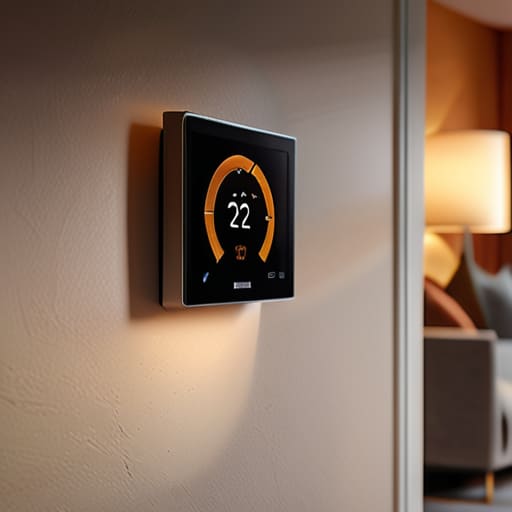
If you’re anything like me, your brain is constantly juggling a dozen different tabs. The last thing you want to do when you walk through the door after a long day is fiddle with a clunky, manual dial to get the temperature just right. This is where the smart thermostat benefits really shine. These devices aren’t just fancy gadgets; they are tools that automate the decision-making process you didn’t even realize was draining your energy. By learning your patterns—when you leave for work, when you’re sleeping, and when you’re actually home—they ensure you aren’t heating or cooling an empty house.
I’ve found that setting up a “geofencing” feature is a total game-changer for lowering heating and cooling costs without any daily effort. Instead of manually adjusting the temp every time you head out, the system detects your phone moving away from the house and shifts into eco-mode automatically. It’s one of those small, seamless energy efficient home improvements that actually pays for itself. You’re essentially removing the friction of managing your environment, allowing the system to handle the micro-adjustments while you focus on something more important—like finally getting that brisket in the smoker.
Lowering Heating and Cooling Costs Without the Stress

Look, I get it. You don’t want to spend your entire weekend playing handyman just to shave a few bucks off your electric bill. The goal isn’t to live in a cave; it’s about making sure you aren’t paying to heat the entire neighborhood. One of the most effective ways to tackle lowering heating and cooling costs is to look at the “envelope” of your house. If your windows are drafty or your attic is poorly ventilated, your HVAC system is essentially fighting a losing battle against physics. Investing in some basic home insulation upgrades or even just sealing the gaps around your front door can make a massive difference in how much work your furnace actually has to do.
If you want to go a step further without a full-scale renovation, think about seasonal utility saving strategies. In the summer, keep those blinds closed during the peak heat of the day to block out the sun’s thermal energy. In the winter, let that natural sunlight do the heavy lifting for you. It’s these small, low-effort adjustments—the kind that don’t require a degree in engineering—that actually move the needle. We’re looking for high-impact, low-friction wins here.
Five Low-Effort Wins to Stop the Bleeding

- Audit your phantom loads. I used to think my coffee maker and gaming console were “off,” but they were still sipping power in standby mode. Grab a cheap energy monitor or just start unplugging the stuff you aren’t using at night; those tiny draws add up to a surprisingly large chunk of your monthly bill.
- Optimize your water heater settings. Most manufacturers set these things way higher than necessary. Dial yours down to about 120°F (49°C). You’ll still get hot showers, but you won’t be paying to heat water to a temperature that’s basically a safety hazard.
- Seal the gaps, not just the windows. It’s easy to focus on the obvious stuff, but check the weather stripping on your doors and the seals around your outlets. If air is leaking through your walls or under your front door, your HVAC is working twice as hard as it needs to.
- Switch to LED, but do it strategically. Don’t feel like you need to replace every single bulb in the house overnight. Start with the high-traffic areas and the lights that stay on the longest—like your kitchen or living room. The ROI on those is almost immediate.
- Clean your filters on a schedule. This is one of those “boring” maintenance tasks that actually matters. A clogged HVAC filter forces your system to struggle, which spikes your energy usage. Set a recurring reminder on your phone; it takes five minutes and keeps the system efficient.
The Efficiency Mindset
“Saving on utilities isn’t about living in the dark or freezing in your own living room; it’s about fixing the invisible leaks in your system so you aren’t paying a premium for inefficiency.”
Nathaniel 'Nate' Brooks
Getting the System Working for You
At the end of the day, saving on utilities isn’t about living in the dark or shivering through a winter night just to see a lower number on a statement. It’s about optimizing the friction points in your home. Whether you’re leveraging a smart thermostat to handle the heavy lifting while you’re at work, or making those small, mindless adjustments to your heating and cooling habits, you’re essentially upgrading your home’s operating system. By addressing these leaks—both literal and figurative—you stop the constant, slow drain on your bank account and start reclaiming control over your monthly overhead.
I know it can feel overwhelming to look at a massive utility bill and wonder where it all went, but remember that we aren’t aiming for a perfect, zero-waste lifestyle overnight. We are just looking for those incremental, sustainable wins that compound over time. Start with one small tweak this week. Once that becomes part of your routine, move to the next. It’s not about deprivation; it’s about intentionality. If you can streamline these basic systems, you’ll find you have a lot more breathing room to spend your money—and your energy—on the things that actually bring you joy.
Frequently Asked Questions
Is it actually worth the upfront cost to upgrade to energy-efficient appliances, or am I just chasing a placebo effect?
Look, I get the skepticism. It feels like another “pay now to save later” trap. But after running the numbers on a few of my own upgrades, it’s rarely a placebo. If you’re replacing a functional, old fridge with a new Energy Star model, the ROI might take years. But if your current appliances are aging out or failing, the math shifts quickly. It’s about calculating the “total cost of ownership,” not just the sticker price.
How much of an impact will switching to LED bulbs really have on my monthly bill if I'm already being careful?
Look, I get the skepticism. If you’re already turning off lights when you leave a room, it feels like a drop in the bucket. But here’s the reality: LEDs aren’t just about the wattage; they’re about efficiency over time. While one bulb won’t change your life, swapping out your high-traffic fixtures is a low-effort win. It’s a small system tweak that compounds. It might only shave a few bucks off monthly, but it’s one less thing to manage.
Are there any specific "vampire" devices in my house that are secretly draining my bank account while I sleep?
Absolutely. We call them “vampire loads,” and they’re basically silent budget killers. Think about anything with a standby light or a remote: your gaming consoles, coffee makers, and even that old desktop sitting idle. They’re constantly sipping power just to stay “ready.” I started using smart power strips for my home office setup to kill the draw entirely when I’m not working. It’s a small tweak, but it stops that slow, invisible leak.
Should I be looking into solar panels now, or is the ROI still too slow to justify the initial headache?
Look, I’m a big fan of optimizing systems, but solar is a massive hardware deployment, not a quick software patch. If you’re looking for an instant win, it isn’t it. The ROI is a long game—we’re talking years, not months. Unless you have high energy usage or live in a high-sunlight area with decent incentives, the “initial headache” of installation and financing might outweigh the immediate savings. Do the math first; don’t let the hype bypass your spreadsheet.